Fasting How To: A Step-by-Step Guide to Start Safely
Learn fasting how to start for beginners: choose a method, prepare meals, manage hunger, avoid mistakes, and track progress with a simple private app.
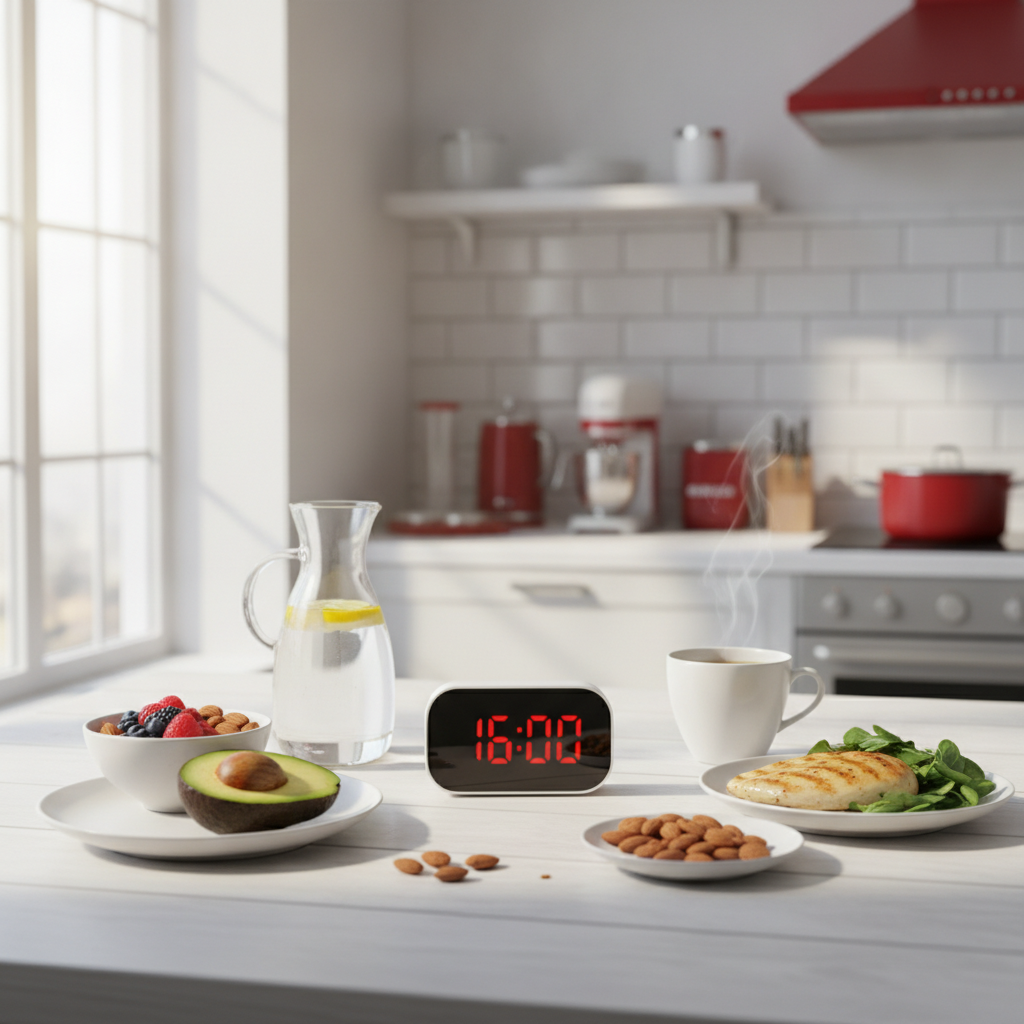
People search “fasting how to” because they want a clear sequence, not another abstract lecture about metabolism. They want to know what to do tonight, what to drink tomorrow morning, which schedule to choose, and how to tell normal adaptation from a real warning sign. This guide is that sequence. It is written for healthy adults who want a practical, safety-conscious start to intermittent fasting without biohacking mythology.
You will learn how fasting works on the body in plain language, how to pick a beginner schedule, how to prepare food and environment, how to handle hunger waves, how to measure progress, and when to stop and get medical advice. Throughout, we keep the focus on habits you can repeat for months, because longevity of the practice beats intensity of the first week.
How Fasting Works on the Body
When you eat, carbohydrates and other nutrients raise blood glucose. The pancreas releases insulin to help move that glucose into cells. Between meals, insulin falls and the body increasingly draws on stored energy. With modern grazing, many people rarely leave the fed state for long. Fasting deliberately extends the time between the last caloric intake and the next, giving insulin more baseline hours and prompting greater fat oxidation for fuel.
In the early fasting hours, your body is mainly finishing digestion and stabilizing blood sugar from liver glycogen. As the fast continues into overnight and beyond, fat release from adipose tissue typically rises. The liver can convert fatty acids into ketone bodies that help supply the brain. You do not need extreme ketosis for intermittent fasting to be useful; even daily sixteen-hour windows can improve metabolic flexibility for many people.
Hormonal signals also change. Ghrelin rises near habitual meal times, which is why hunger often arrives on a schedule even when energy stores are adequate. With consistent fasting, those cues often soften. Autophagy research, largely from animal models, suggests cellular cleanup processes increase during nutrient scarcity, but human timing thresholds remain under active study. Treat autophagy claims cautiously and focus on measurable outcomes you can feel: steadier energy, fewer snack urges, improved adherence to a calorie target if weight loss is the goal, and simpler meal routines.
Fasting is not identical for every body. Prior diet composition, sleep, stress, medication, menstrual cycle phase, training load, and insulin resistance all shape the experience. That is why fasting how-to advice must include personalization and medical caveats rather than one universal recipe.
Choose the Right Fasting Method Before Day One
The first how-to decision is matching method to lifestyle. If you currently eat across fifteen or more hours, begin with 12:12 or 14:10. These overnight fasting schedules restore a clean gap between dinner and breakfast without immediate social disruption. Once that feels easy for two weeks, extend toward 16:8, the most popular intermittent fasting pattern.
16:8 means sixteen fasting hours and an eight-hour eating window. Examples include noon to 8:00 p.m. or 10:00 a.m. to 6:00 p.m. It works well for people who can skip or delay breakfast and still protect family dinners. 18:6 and 20:4 shorten the eating window further and suit intermediate practitioners who already tolerate sixteen hours. One meal a day is advanced and often unnecessary for fat loss. Weekly approaches like 5:2 reduce calories on two nonconsecutive days rather than fasting daily; they help some people but demand careful nutrition planning on low-calorie days.
Also decide your non-negotiables. If evening family meals are sacred, do not choose a window that ends at 5:00 p.m. If morning workouts require fuel, place carbohydrates and protein before or after training inside the eating window rather than forcing fasted sessions that wreck performance. The best protocol is the one you can repeat on ordinary Tuesdays, not the one that looks hardest on social media.
Write the schedule down: fasting start time after last meal, eating window open, eating window close. Then commit for fourteen days before judging results. Adaptation noise in week one is not a final verdict.
A Practical Day-by-Day Fasting How-To Plan
Day zero is preparation. Clear obvious trigger foods from easy reach if late snacking is your pattern. Grocery shop for protein sources, vegetables, fruit, and high-fiber carbs you actually enjoy. Decide your allowed fasting beverages: water, black coffee, unsweetened tea. Tell household members you are changing meal timing so nighttime offers of snacks decline.
Days one to three focus on finishing dinner on time and delaying the next caloric intake. Expect irritability, warmer hunger waves at old snack times, and maybe a mild headache if caffeine or salt intake changes. Drink water regularly. Add a pinch of electrolytes if you are prone to lightheadedness and your clinician has not restricted sodium. Keep busy during peak craving hours. Sleep matters more than supplements.
Days four to seven usually bring easier mornings for many beginners. Hunger becomes shorter and less urgent. Use this window to stabilize meal quality: protein at each eating opportunity, colorful plants, and enough total calories to avoid rebound bingeing. If weight loss is desired, create a modest deficit of roughly three hundred to five hundred calories below maintenance rather than slashing food dramatically inside a short window.
Days eight to fourteen are for consistency auditing. Check whether weekends sabotaged the schedule. Review whether coffee additives silently broke the fast. Confirm training and sleep remain acceptable. Adjust window timing if work shifts collide with your plan. By day fourteen, either lock the schedule for another month or progress by one hour of fasting if you feel ready.
Track every fast. Memory lies under stress. Open a simple timer when you finish your last meal and close it when you eat again. The Easy Fast app is built for this exact how-to loop: one-tap start, clear countdown, reminders, and history that stays on your iPhone with no analytics spyware around your health habits.
What to Eat and Drink So Fasting Remains Sustainable
Fasting how to is incomplete without eating how to. During the eating window, prioritize protein to protect lean mass and satiety: eggs, fish, poultry, lean meat, Greek yogurt, tofu, tempeh, legumes, and cottage cheese are practical anchors. Add vegetables and fruit for micronutrients and fiber. Include carbohydrate sources that match your activity level, such as potatoes, rice, oats, beans, or whole-grain options if you tolerate them. Use olive oil, avocado, nuts, and seeds for fats without turning every meal into a deep-fried feast.
Hydration is a performance tool during the fast. Many perceived hunger signals improve after water. Mineral water or electrolyte packets without sugar can help if headaches appear, provided medical conditions allow them. Black coffee can suppress appetite, but excess caffeine may worsen anxiety and sleep. Stop caffeine early enough that sleep remains intact, because poor sleep raises hunger hormones and makes fasting feel brutal.
Breaking the fast deserves intentionality. Huge ultra-processed meals after long restriction can cause gastrointestinal discomfort and blood sugar swings. Start with a balanced plate: protein, fiber-rich carbs, and plants. Chew slowly. If you used optional food photo tools in Easy Fast to estimate meal composition, remember that feature only contacts OpenAI or Gemini when you choose to analyze a photo; your fasting timeline itself never needs to leave the device.
Alcohol belongs in the eating window if you choose to drink at all, and it still counts toward energy intake. It also lowers inhibitions around snacks. Many people find fasting adherence improves when alcohol is limited, especially on weeknights.
Hunger Management, Side Effects, and Safety Signals
Hunger comes in waves. Ride the wave for fifteen to twenty minutes with water, a short walk, or a task change. If hunger remains aggressive after two weeks, consider whether your eating window food is too low in protein or total energy. Aggressive restriction stacked on fasting is a common beginner mistake.
Expected early side effects include mild headache, lethargy, irritability, constipation or changes in bowel rhythm, and preoccupation with food timing. These often fade. Red flags requiring you to stop fasting and seek care include fainting, chest pain, severe dizziness, confusion, uncontrolled blood sugar, worsening disordered eating thoughts, or inability to hydrate. People who are pregnant, breastfeeding, under eighteen, underweight, or managing diabetes, eating disorders, or complex medications should not start intermittent fasting from a blog post alone.
Women sometimes notice cycle-related appetite shifts. Flexibility across the luteal phase can be smarter than forcing identical windows every day. Athletes should align fueling with key sessions. Older adults should emphasize protein and resistance training to offset age-related muscle loss risk.
Medical disclaimer remains essential: this guide is educational, not personalized medical advice. A clinician who knows your history can help you decide whether fasting how to applies safely to you.
Track Progress and Build a Long-Term Fasting Habit
Define success metrics beyond the scale. Track completed fasting hours per week, energy stability, sleep quality, training performance, waist circumference every two weeks, and adherence percentage. A perfect protocol followed sixty percent of the time loses to a moderate protocol followed ninety percent of the time.
Use environmental design. Set phone reminders for kitchen close time. Prep tomorrow’s first meal components after dinner. Keep fasting-compliant drinks visible and snack foods less convenient. Social plans can stay intact if you place your eating window around them or allow rare planned exceptions without collapsing the whole habit.
Easy Fast supports long-term practice because it stays simple and private. There is no account wall, no behavioral analytics funnel, and no pressure to socialize your health data. Optional AI food photo analysis is opt-in only. For everyday fasting how to execution, the timer and history are enough. Download Easy Fast from the App Store and make each overnight or sixteen-hour fast a logged event.
Review monthly. If life stress rises, temporarily widen the eating window rather than quitting. If results stall for weight goals, examine total calories, protein, steps, and weekend patterns before lengthening the fast again. Progression should solve a real bottleneck, not feed an identity of extremes.
Frequently Asked Questions
What is the easiest fasting how to start method for beginners?
Begin with 12:12 or 14:10 overnight fasting for one to two weeks, then move toward 16:8 if desired. This sequence teaches meal timing without shocking appetite or social life. Jumping straight into twenty-hour fasts causes unnecessary dropout for many newcomers.
How fasting helps the body according to research?
Extended gaps between meals can improve insulin dynamics for some people, support fat oxidation, reduce late-night calorie intake, and simplify eating behavior. Benefits vary by individual and depend heavily on overall diet quality, sleep, and activity. Fasting is a timing tool, not a license to ignore nutrition.
Can I work out while learning how to fast?
Yes, with smart fueling. Low-intensity walks often feel fine while fasted. Hard strength or high-intensity sessions usually improve when protein and carbohydrates are available around training inside your eating window. If performance collapses, adjust timing before blaming lack of discipline.
What can I consume during the fasting window?
Water, black coffee, and unsweetened tea are the standard options for clean intermittent fasting. Anything with meaningful calories breaks the fast. Flavored drinks with sugar, milk, juice, alcohol, and bites of food belong in the eating window.
How long before I notice results?
Appetite adaptation often improves within one to two weeks. Energy stability and routine simplification can appear quickly. Body composition changes typically need several weeks of consistent energy balance and training. Track more than scale weight so short-term water shifts do not discourage you.
Do I need an app to follow a fasting how to plan?
You can use a clock, but dedicated trackers improve adherence by removing ambiguity and showing weekly history. Easy Fast stores data on-device, skips analytics profiling, and keeps core tracking free of account friction. That privacy-first design helps you focus on the habit rather than a social health dashboard.
When should I stop fasting and talk to a doctor?
Stop and seek medical guidance for severe dizziness, fainting, chest pain, disordered eating thoughts, medication conflicts, pregnancy, breastfeeding concerns, or unstable chronic disease. Educational guides cannot replace individualized clinical judgment.
If you came here searching fasting how to, your next action is concrete: pick tomorrow’s eating window, set a kitchen close time tonight, prepare a protein-forward first meal, and start a timer when dinner ends. Keep the process boring, consistent, and tracked. Metabolic change follows repeated days, not perfect theory. Start gently, protect safety, eat well when you eat, and let the schedule become an ordinary part of your life.