Fasting Plan: How to Build a Schedule That Actually Works
Create a personalized fasting plan with the right schedule, weekly structure, meal timing, and tracking habits. Compare 16:8, 5:2, and 14:10 plans for your goals.
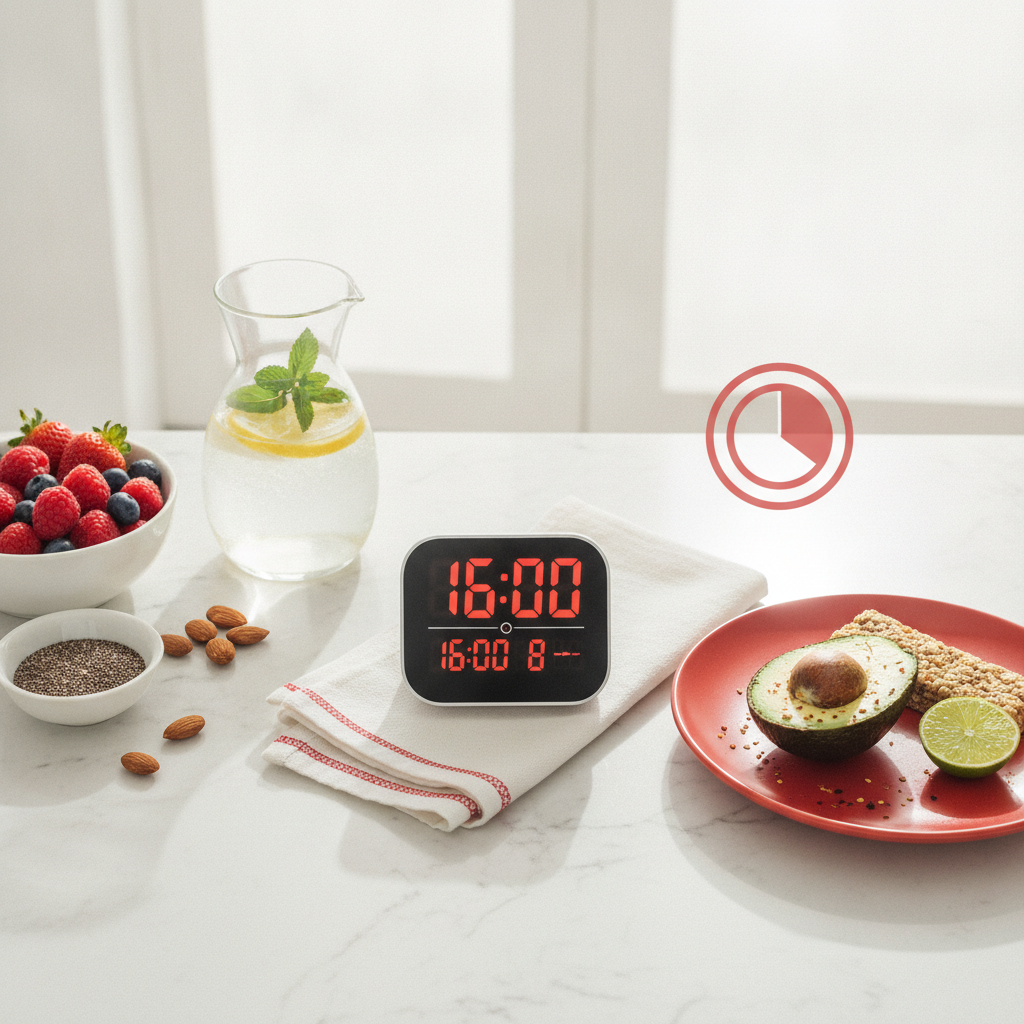
A fasting plan is not a meal delivery subscription or a branded app protocol. It is the personal schedule you commit to — which hours you fast, which days you eat normally, what you prioritize during eating windows, and how you track consistency over time. Without a plan, intermittent fasting becomes a series of improvised skipped meals. With a plan, fasting becomes a repeatable habit that fits your work, family, and health goals.
This guide walks you through building a fasting plan from scratch. You will compare popular plan structures, learn how to match a plan to your lifestyle, avoid the mistakes that derail most beginners, and set up tracking so your plan survives beyond the first motivated week.
Why You Need a Fasting Plan
Motivation is unreliable. Schedules are not. A fasting plan converts good intentions into default behavior by answering four questions in advance:
- When do I fast? Daily hours, weekly days, or both
- When do I eat? Fixed window or flexible meals
- What do I prioritize nutritionally? Protein, vegetables, hydration
- How do I measure adherence? Timer, journal, weekly review
People who skip planning often oscillate between aggressive fasting and uncontrolled eating. They fast until discomfort forces a binge, then feel guilty and quit entirely. A structured fasting plan prevents that cycle by defining boundaries you can hold comfortably for months.
Commercial fasting plans from various apps and programs share one useful idea: structure helps. But you do not need a paid subscription to build an effective fasting plan. You need honest self-assessment, a realistic schedule, and a tracking method that keeps you accountable.
Popular Fasting Plan Structures
Before building your personal plan, understand the major templates people use successfully.
The 16:8 Daily Plan
Fast 16 hours, eat within 8 hours, every day. This is the most common fasting plan worldwide because it balances results with sustainability. A typical structure: finish dinner by 8 p.m., fast until noon, eat lunch and dinner within the window.
Best for: Beginners, weight management, blood sugar stability, people who want daily consistency.
The 14:10 Gentle Plan
Fast 14 hours, eat within 10 hours. The 14:10 fasting plan is an excellent entry point for people intimidated by 16:8. Finish dinner at 7 p.m., eat breakfast at 9 a.m. The fasting period still includes sleep and produces meaningful metabolic benefits with minimal lifestyle disruption.
Best for: Beginners transitioning toward 16:8, people with early work schedules, those who want breakfast daily.
The 18:6 Advanced Daily Plan
Fast 18 hours, eat within 6 hours. This tightens the daily window for people who have adapted to 16:8 and want stronger periodic restriction without jumping to OMAD.
Best for: Experienced fasters, those who prefer two meals per day, people managing late-night snacking.
The 5:2 Weekly Plan
Eat normally five days per week. On two non-consecutive days, limit intake to 500–600 calories. This weekly fasting plan suits people who dislike daily fasting windows but want structured periodic restriction.
Best for: People who prefer weekly rhythm, those who find daily windows socially limiting, experienced dieters comfortable with calorie restriction on specific days.
The OMAD Plan
One meal per day within a one-hour window. The most aggressive daily fasting plan. All nutritional needs must be met in a single sitting.
Best for: Experienced fasters only, people who thrive on extreme simplicity, not recommended as a starting fasting plan.
How to Build Your Personal Fasting Plan
Follow these steps to create a fasting plan tailored to your life rather than copying a generic template.
Step 1: Define Your Primary Goal
Your goal determines your plan structure.
- Weight loss: 16:8 or 18:6 daily plans with attention to protein and portion size
- Blood sugar management: Consistent daily windows, earlier eating cutoff
- Simplicity and habit building: 14:10 progressing to 16:8
- Flexibility with structure: 5:2 weekly plan
- Maximum periodic restriction: 18:6 or OMAD after adaptation
Write your goal in one sentence and refer back to it when choosing between plan options.
Step 2: Audit Your Current Schedule
Map a typical week: wake time, work hours, exercise, family meals, social commitments, bedtime. Your fasting plan must accommodate non-negotiable events. If family dinner is always at 7 p.m., your eating window must include 7 p.m. If you train at 6 a.m., decide whether you eat before or after and set your window accordingly.
Step 3: Choose Your Plan Template
Based on your goal and schedule audit, select one template. Beginners should almost always start with 14:10 or 16:8. Avoid 5:2 or OMAD until you have at least four weeks of daily fasting experience.
Step 4: Set Fixed Meal Times
Within your eating window, define approximate meal times. Example for a 16:8 noon-to-8 p.m. plan:
- 12:00 p.m. — First meal (lunch)
- 3:30 p.m. — Optional snack if needed
- 7:00 p.m. — Dinner (finished by 8 p.m.)
Fixed meal times train hunger hormones to expect food at specific hours, making fasting periods progressively easier.
Step 5: Plan Your Fasting Beverages
During fasting hours, commit to water, black coffee, and plain tea only. Decide in advance what you will drink when hunger strikes. Pre-deciding prevents impulsive cream-laden coffee or “just a small snack” that breaks your fast.
Step 6: Set Up Tracking
A fasting plan without tracking is a wish. Use a fasting timer app to log start and end times automatically. The Easy Fast app supports multiple fasting schedules including 16:8, 18:6, and custom plans. One tap starts your fast, reminders keep you on schedule, and history charts show your weekly adherence — all stored locally on your device.
Step 7: Schedule a Weekly Review
Every Sunday, review the past week: How many planned fasts did you complete? Where did you break the plan? What triggered deviations? Adjust one variable at a time — window timing, meal composition, or sleep — rather than overhauling everything at once.
Sample Fasting Plans by Lifestyle
Office Worker Plan (16:8)
- Fast: 8 p.m. to 12 p.m. (16 hours)
- Eat: 12 p.m. to 8 p.m.
- Meals: Lunch at desk, dinner at home
- Morning: Black coffee and water only
- Weekend: Same window for consistency
Early Riser Plan (14:10)
- Fast: 7 p.m. to 9 a.m. (14 hours)
- Eat: 9 a.m. to 7 p.m.
- Meals: Breakfast after morning workout, lunch, dinner by 7 p.m.
- Best for: People who need breakfast for energy and focus
Parent Plan (Flexible 16:8)
- Fast: 9 p.m. to 1 p.m. (16 hours)
- Eat: 1 p.m. to 9 p.m.
- Meals: Lunch after school pickup, family dinner at 6:30 p.m.
- Flexibility: Shift window one hour on weekends for brunch without abandoning the plan
5:2 Weekly Plan
- Monday and Thursday: 500–600 calories (small breakfast, light dinner)
- Tuesday, Wednesday, Friday, Saturday, Sunday: Normal eating with attention to nutrition
- Fasting day meals: Eggs and vegetables for breakfast, soup or salad for dinner
- Tracking: Mark fasting days clearly in your calendar and fasting app
Nutrition Within Your Fasting Plan
A fasting plan defines when you eat. Nutrition defines what you eat. Both matter.
Protein first. Every meal in your eating window should include a substantial protein source. Protein preserves muscle, increases satiety, and stabilizes blood sugar.
Vegetables at every meal. Fiber and micronutrients support health regardless of fasting schedule. Half your plate should be vegetables or salad.
Hydration always. Drink water throughout fasting and eating periods. Dehydration during fasting mimics hunger and causes headaches blamed on the plan itself.
Limit ultra-processed food. A fasting plan combined with fast food during eating windows produces disappointing results. You do not need perfection, but whole foods should dominate.
Do not overcompensate. The most common fasting plan failure is eating excessive calories during eating windows because “you earned it” by fasting. Eat satisfying meals, not unlimited feasts.
Adjusting Your Plan Over Time
A fasting plan is not permanent law. It evolves as you adapt and as life changes.
Week 1–2: Focus on adherence, not optimization. Hit your fasting hours consistently.
Week 3–4: Assess energy, hunger, and results. If 16:8 feels easy, consider 18:6. If 16:8 feels hard, try 14:10.
Month 2+: Fine-tune meal composition, exercise timing, and window placement. Add a weekly review habit.
Life events: Travel, holidays, and illness may require temporary plan changes. Shorten fasts, shift windows, or pause structured fasting without guilt. Resume your baseline plan when circumstances allow.
Common Fasting Plan Mistakes
Choosing an aggressive plan too soon. OMAD and 5:2 are not beginner plans. Start with 14:10 or 16:8.
No tracking mechanism. Without a timer or log, you will underestimate fasting hours and wonder why results stall.
Ignoring sleep. Poor sleep elevates hunger hormones and sabotages every fasting plan. Prioritize seven to nine hours nightly.
All-or-nothing thinking. One broken fast does not invalidate your plan. Restart at the next scheduled fast.
Copying someone else’s window. Your fasting plan must fit your schedule. A noon start that works for a freelancer may fail for someone with a 7 a.m. commute.
Forgetting to plan fasting-day meals on 5:2. If your plan includes calorie-restricted days, decide what you will eat before those days arrive. Unplanned fasting days lead to poor food choices or abandoned restrictions.
Skipping weekly reviews. A fasting plan improves when you review adherence regularly. Without reflection, small drifts become permanent habits.
Frequently Asked Questions
What is the best fasting plan for beginners?
The best fasting plan for beginners is 14:10 or 16:8 daily time-restricted eating. Both include sleep in the fasting window, require no calorie counting, and adapt to most schedules. Start with 14:10 for one week if 16:8 feels too long, then progress.
How do I create a 14:10 fasting plan?
A 14:10 fasting plan fasts for 14 hours and eats within 10 hours. Example: stop eating at 7 p.m., resume at 9 a.m. Adjust times to fit your wake and sleep schedule. Hold the same window daily for two weeks before modifying.
Do I need a paid fasting plan or app subscription?
No. A fasting plan is a schedule you design and follow. Paid programs can provide structure and community, but the fundamentals — fasting hours, eating window, nutrition, tracking — are free. Use a simple fasting tracker like Easy Fast to time your fasts without a subscription.
How many meals should I eat on a fasting plan?
Meal count depends on your eating window and preference. Most people eat two or three meals within an 8-hour window. Two larger meals work well for 16:8 and 18:6. Three moderate meals suit 14:10. Total daily nutrition matters more than meal frequency.
Can I change my fasting plan midweek?
Yes, but frequent changes slow adaptation. If you must adjust for a social event, shift your window for that day and return to your standard plan afterward. Avoid changing your plan daily.
What should a fasting meal plan include?
A fasting meal plan for eating windows should prioritize protein, vegetables, healthy fats, and complex carbohydrates. Sample meals: eggs with spinach and avocado, grilled chicken salad, salmon with roasted vegetables, Greek yogurt with berries. Avoid breaking fasts with sugary or highly processed food.
How do I track my fasting plan?
Use a fasting timer app to log start and end times, set reminders for window open and close, and review weekly history. Easy Fast tracks multiple schedules, shows trend charts, and stores data on your device. A paper journal also works if you prefer writing times manually.
A fasting plan turns intermittent fasting from a vague intention into a daily practice. Choose a structure that fits your life, set fixed meal times within your eating window, eat well when you eat, and track your consistency. Whether you follow a 14:10 gentle plan or a disciplined 16:8 schedule, the plan you can hold every week is the plan that delivers results. Build yours today, start tomorrow, and adjust as you learn what works.