Fasting Programs: How to Choose and Stick With One
Compare popular fasting programs, from 16:8 and 5:2 to ADF and OMAD. Learn how to pick a sustainable plan, avoid common traps, and track progress privately.
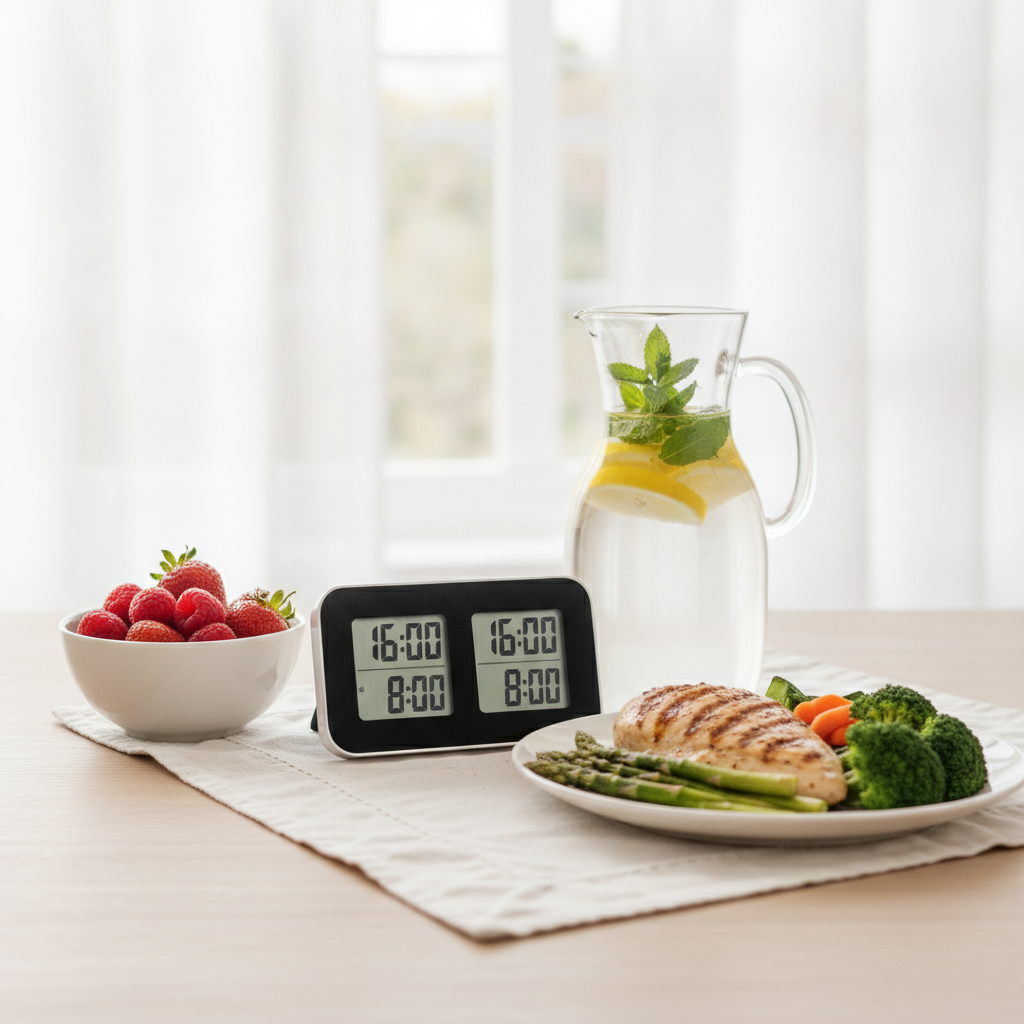
Walking into the world of fasting programs can feel like browsing a crowded supermarket of promises. Every protocol claims to be the one that finally works — 16:8, 18:6, 5:2, alternate day fasting, OMAD, circadian fasting, prolonged fasts. App stores add another layer: paid challenges, meal plans sold as “programs,” and complicated dashboards that imply you need a curriculum before you can skip breakfast.
A fasting program, properly defined, is simply a structured schedule that tells you when you eat and when you do not. The structure is the product. Everything else — communities, shopping lists, coaching upsells — is optional packaging. This guide helps you evaluate fasting programs on substance, match a schedule to your goals and constraints, and run it with enough tracking discipline that the program actually sticks.
What Counts as a Fasting Program?
A fasting program is a repeatable protocol with clear rules for fasting duration, eating windows, and usually some guidance on what is allowed during the fast. It may be daily (time-restricted eating), weekly (5:2 or similar), or alternating (alternate day fasting). Religious fasting calendars and medically supervised prolonged fasting protocols also qualify as programs, though they serve different purposes than lifestyle intermittent fasting.
What does not automatically qualify as a better program is a higher price. Many effective fasting programs cost nothing beyond groceries and a timer. Conversely, expensive programs that add calorie-dense “fasting-friendly” products can undermine both metabolic goals and your wallet.
Useful fasting programs share four traits:
- Clear timing rules you can explain in one sentence
- Defined fasting beverages (typically water, black coffee, plain tea)
- Enough flexibility to survive travel, weekends, and imperfect days
- A way to measure adherence over weeks, not vibes from a single day
When you evaluate any fasting program online or in an app, check those four first. Marketing language about autophagy, biohacking, or celebrity endorsements comes last.
Popular Fasting Programs Compared
16:8 Time-Restricted Eating
Fast sixteen hours, eat within eight. This is the most common lifestyle fasting program and the best starting point for most healthy adults. Example: last bite at 8:00 p.m., first meal at noon. Sleep covers a large share of the fasting hours, which makes adaptation smoother.
Best for: beginners, people with evening social meals, sustainable fat loss and metabolic health goals. Watch out for: shrinking the window so aggressively that you under-eat protein, or filling the eight hours with ultra-processed calories.
14:10 and 12:12 Entry Programs
Shorter daily fasts are underrated fasting programs. Twelve to fourteen hours of overnight fasting already reduces late-night grazing and aligns more naturally with circadian biology. Use these if 16:8 feels too hard initially, if you train early and need breakfast, or if medical guidance recommends a milder approach.
18:6 and 20:4 Progression Programs
These tighten the eating window further. Eighteen-six is a common next step after solid 16:8 adherence. Twenty-four (often overlapping with OMAD-like patterns) is advanced. Progressive fasting programs should be earned through consistency, not adopted because they look elite.
5:2 Weekly Program
Eat normally five days; restrict to roughly 500–600 calories on two non-consecutive days. This weekly fasting program appeals to people who dislike daily window management. It requires planning on fasting days but leaves most of the week feeling unrestricted.
Alternate Day Fasting Programs
Fast every other day with zero or low calories, then eat normally on intervening days. Research supports modified ADF for weight loss in adherent adults, but social friction is high. Treat as an intermediate-to-advanced fasting program.
OMAD (One Meal a Day)
One eating occasion within a very short window. Some people thrive; many under-consume micronutrients and protein. OMAD is a specialized fasting program, not a default prescription.
Multi-Day or Periodic Prolonged Fasting
Twenty-four to seventy-two-hour fasts, sometimes marketed as reset programs, belong in a different category. They need more preparation, hydration strategy, and — for many people — medical input. Do not confuse a weekend water fast challenge with a sustainable intermittent fasting program.
How to Choose the Right Fasting Program for You
Start with constraints, not influencer charts.
Goal. Fat loss, insulin sensitivity, simpler eating habits, and performance support can all use fasting — but the intensity differs. Fat loss phases may tolerate slightly more aggressive programs for limited periods. Maintenance favors the mildest program that prevents late-night grazing.
Schedule. Night-shift workers, parents with early kids’ breakfasts, and people with mandatory midday client lunches need different windows. A fasting program that ignores your calendar fails regardless of scientific elegance.
Hunger tolerance and history. If you have never fasted, choose 12:12 → 14:10 → 16:8 progression. If daily windows bore you but you handle hunger well, 5:2 might fit. If alternating restriction appeals psychologically, modified ADF can work after a daily foundation.
Social life. Weekly dinners, religious meals, and team sports matter. The best fasting program bends slightly around life instead of demanding life bend around fasting forever.
Medical context. Pregnancy, breastfeeding, history of eating disorders, underweight status, type 1 diabetes, and certain medications are reasons to avoid or medically supervise fasting programs. When in doubt, ask your clinician before starting.
A practical decision tree:
- New to fasting → 14:10 or 16:8 program
- Adapted to 16:8, want more structure without daily compression → try 5:2
- Experienced, want aggressive phase → consider modified ADF short-term
- Prefer one meal psychologically and nutrition is solid → OMAD cautiously
- Curious about long fasts → separate education and medical clearance first
How to Run a Fasting Program Week by Week
Choosing the program is twenty percent of success. Execution is the rest.
Week 0: Baseline. For three days, note wake time, first bite, last bite, sleep, and energy. This baseline shows how far your current pattern sits from the program you want.
Week 1: Soft start. Move toward the target window gradually. If aiming for 16:8 from a 14-hour eating day, close the kitchen one hour earlier for several nights rather than jumping overnight.
Week 2: Lock timing. Hold a consistent window on weekdays. Allow one to two hours of weekend flexibility without abandoning the program.
Week 3: Nutrition quality pass. Ensure protein adequacy, vegetables, and hydration. Fasting programs fail when the eating window becomes a junk-food sprint.
Week 4: Review metrics. Adherence rate, energy, training, waist, sleep, mood. Adjust one variable — window timing, fasting-day calories for weekly programs, or meal placement around workouts.
Throughout, track the program itself. The Easy Fast app is a simple fasting tracker designed for schedules like 16:8, 18:6, and custom programs. One tap starts your fast, reminders support the window, and history shows whether your fasting program is real life or only intention. Data stays on your device — a privacy-first approach that matters when the “program” is really a health habit, not content for a cloud profile.
Mistakes People Make With Fasting Programs
Program hopping. Switching from 16:8 to ADF to OMAD every five days prevents adaptation. Give a program three to four weeks unless medical or psychological red flags appear earlier.
Confusing fasting with malnutrition. A fasting program still requires nutrient-dense eating. Time restriction is not permission to ignore protein, fiber, or micronutrients.
Dirty fasting without intention. Small bites, cream-heavy coffee, and “just a taste” can erase the program’s fasting definition. Decide your rules and stick to them while learning.
Paying for complexity you will not use. Some commercial fasting programs sell meal plans, supplements, and private communities. Those can help certain personalities, but they are not required for metabolic benefits of time-restricted eating. A free or low-friction timer plus whole foods often outperforms an expensive PDF you ignore.
Ignoring strength training. Fasting programs oriented only toward the scale can cost muscle. Lift two to four times weekly and eat enough protein in your eating window.
No exit criteria. Define what success looks like at thirty days. Then decide whether to continue, tighten, loosen, or change programs deliberately rather than vaguely hoping forever.
Building Your Own Simple Fasting Program
You do not need a branded challenge pack to have a legitimate fasting program. Write yours in five lines:
- Fasting method and hours (example: 16:8, noon–8:00 p.m. eating)
- Fasting beverages allowed
- Non-negotiable meals to protect (family dinner, post-training meal)
- Tracking method (app timer, weekly review day)
- Review date and adjustment rule
Keep that note in your phone. Each Sunday, open your tracker and count completed fasts. If you finished five of seven planned windows, you are succeeding at the habit even if weight is noisy that week.
Easy Fast fits this DIY approach well because it stays out of the way. It is not a paid multi-week curriculum. It is a focused intermittent fasting tracker with preset and custom programs, progress history, and local-only storage. That keeps your attention on the schedule — the actual fasting program — instead of gamified noise.
If you prefer a weekly structure, write fasting-day menus for 5:2 or ADF in advance. Pre-decision is a program feature. Hunger feels more manageable when dinner is already chosen.
When to Change or Stop a Fasting Program
Change the program if adherence falls below roughly seventy percent for two consecutive weeks despite honest effort, if training quality collapses, if sleep or mood deteriorates meaningfully, if binge-restrict patterns emerge, or if your life schedule changes (new job, new baby, new training season).
Stop and seek professional help if fasting triggers panic around food, syncope, severe dizziness that does not improve with hydration and adaptation, or signs of disordered eating. No fasting program is worth trading for mental health or medical safety.
Many people eventually rotate programs seasonally: tighter windows in a fat-loss block, gentler 14:10 during holidays, 5:2 during a busy work quarter when daily windows are messy. Rotation with intention is strategy. Chaos-hopping is not.
Frequently Asked Questions
What is the best fasting program for beginners?
The best beginner fasting program is usually 14:10 or 16:8 daily time-restricted eating. These windows are long enough to matter and short enough to adapt to for most healthy adults. Build consistency for several weeks before considering 18:6, 5:2, or alternate day fasting programs.
Are paid fasting programs worth it?
Sometimes, for accountability and coaching — not because the fasting math requires payment. If a paid program improves your adherence and nutrition quality, it can be worthwhile. If it mostly sells supplements and complicated rules you will abandon, a free timer and clear personal rules are smarter. Evaluate outcomes after thirty days, not marketing claims.
Can I switch fasting programs if one stops working?
Yes. Weight-loss plateaus and life changes are valid reasons to adjust. Switch deliberately after a review: change one major variable (window length, weekly pattern, or meal composition) and track for another two to four weeks. Constant switching without tracking is what keeps results murky.
Do fasting programs require special foods or supplements?
No. Effective intermittent fasting programs work with ordinary whole foods. Electrolytes can help some people during longer or more aggressive schedules. Supplements are optional, not the core product. Beware of programs that imply you cannot fast without proprietary products.
How do I track a fasting program without losing privacy?
Use a tracker that stores data on your device and does not require an account. Easy Fast keeps fasting history locally on your iPhone, which lets you follow a structured program without uploading health habits to a cloud profile. Privacy and consistency can coexist.
How long should I follow one fasting program before judging it?
Give most lifestyle programs three to four weeks for adaptation and another few weeks for clearer body composition trends. Early hunger is normal and not automatically proof the program is wrong. Persistent severe symptoms or psychological distress are different — those warrant stopping sooner and seeking advice.
Can women follow the same fasting programs as men?
Many women do well with the same core schedules, especially mild daily time-restricted eating. Some find more aggressive programs disruptive to energy, training, or cycle-related symptoms. Individual response matters more than slogans. Start milder, prioritize protein and sleep, and adjust based on real-world feedback — with clinical guidance when needed.
Fasting programs succeed when they are clear, sustainable, and tracked. Pick a structure that fits your life, run it long enough to adapt, eat well when you eat, and measure adherence honestly. Whether you choose classic 16:8 or a weekly pattern like 5:2, keep tools simple. Download Easy Fast to time your windows with one tap, review history without account lock-in, and keep your fasting program private on your device while the habit becomes automatic.