Keto Fasting Guide: Combining Ketogenic Eating with IF
Learn how keto fasting works, who it helps, how to time carbs and fats with your fasting window, and how to avoid common low-carb plus IF mistakes.
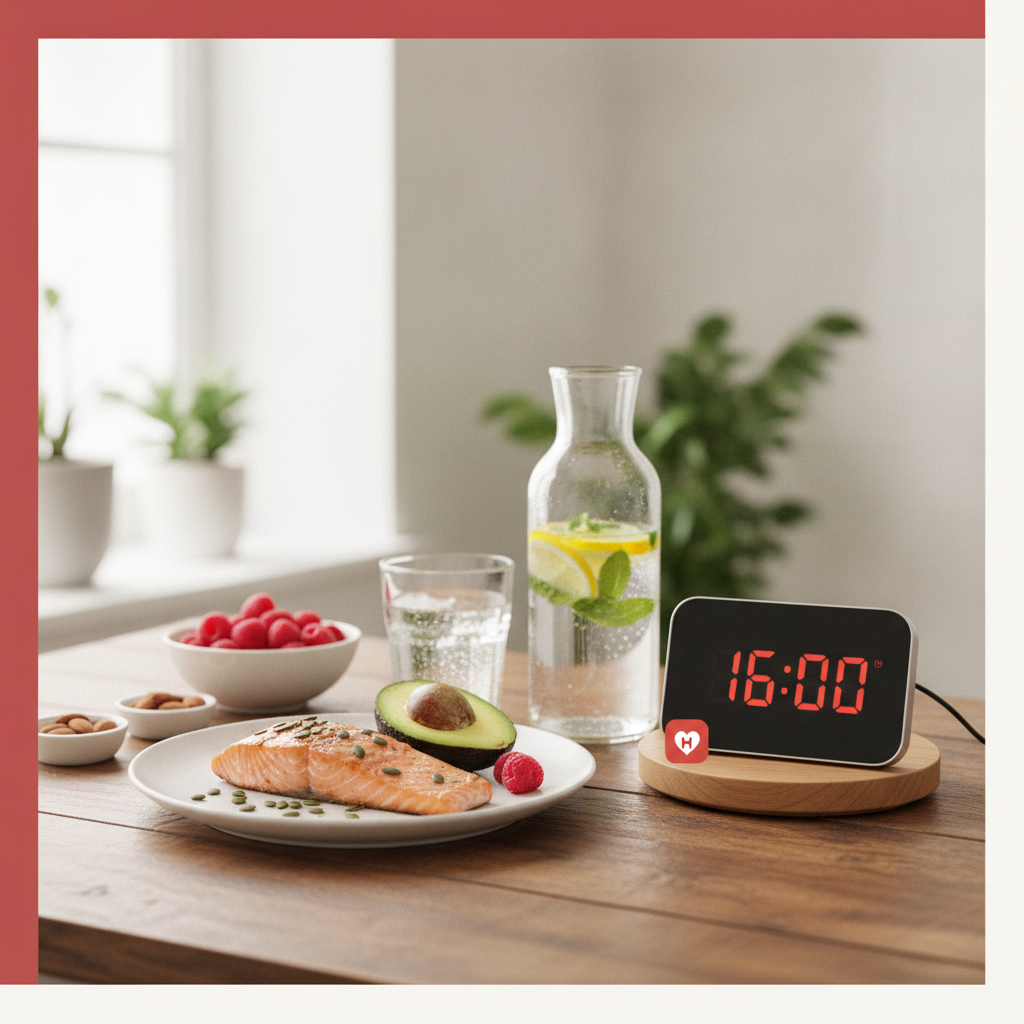
Keto fasting combines a ketogenic diet with intermittent fasting so that low carbohydrate intake and time-restricted eating reinforce each other. Some people arrive at the combination because keto alone stalled. Others start fasting and discover that lower carbs make fasting hours quieter. Either path can work, but stacking two demanding protocols also stacks risks: electrolyte gaps, under-eating, cycle disruption, and social rigidity. This guide explains how keto fasting works, how to structure days safely, and how to decide whether the combo earns a place in your life.
As always, individuals who are pregnant, managing diabetes with medication, or navigating disordered eating history need personalized medical guidance before aggressive carbohydrate restriction or prolonged fasting.
Why People Combine Keto and Fasting
A ketogenic diet typically drops digestible carbohydrates low enough — often under roughly 50 grams per day depending on the person — that the liver produces ketones and fat oxidation rises. Intermittent fasting extends the hours without dietary glucose. Together, keto fasting can deepen the metabolic shift that each practice starts independently.
Hunger regulation is the practical prize. Many people report that once keto-adapted, the 16:8 window feels easier because blood sugar swings flatten. Fasting, in turn, can simplify keto compliance by removing opportunities for snack creep that quietly adds carbs. The combination may also accelerate early water weight loss, which feels motivating even though it is not the same as fat loss.
There are non-reasons to combine them. Doing keto fasting because an influencer promised rapid abs, because suffering feels virtuous, or because you want to “max autophagy” every weekday is a setup for burnout. The stronger rationale is quieter appetite, clearer structure, and measurable clinical targets under appropriate supervision — for example lipid panels and energy stability for selected adults.
Women’s health deserves special mention. Aggressive keto fasting during high-stress seasons, heavy training blocks, or perimenopause can amplify fatigue, sleep issues, or menstrual irregularity for some people. That does not mean women cannot use these tools; it means titration and symptom tracking matter more than copying a male athlete’s protocol.
How to Structure a Keto Fasting Day
A sustainable keto fasting day still needs planning. Choose a fasting window you can hold — often 14:10 or 16:8 first — before adding zero-carb heroics inside OMAD. Place meals so protein targets remain realistic. Fasting does not reduce your protein need; if anything, deliberate protein becomes more important when carbs are low and meals are fewer.
Morning fasted hours: Hydrate. Use black coffee or tea if tolerated. Consider electrolytes (sodium, potassium, magnesium) especially during the first keto weeks when natriuresis increases. Avoid “keto bombs” of cream if you are aiming for a clean fast; they are calories and can become a stealth meal.
First meal: Lead with protein and cooked vegetables or salad greens dressed in olive oil. Include enough fat for satiety without turning the plate into endless cheese. This meal sets whether you feel stable or hunt snacks for the rest of the window.
Training placement: Easy walks often feel fine fasted. Heavy lifting or high-intensity intervals may perform better inside or just after the eating window once you are eating. Experiment for two weeks each way and track performance notes, not just scale weight.
Last meal: Close with protein and volume from non-starchy plants so overnight hunger stays manageable. Stop eating when the window ends even if a social dessert tray appears — or move the window on intentional celebration days instead of grazing afterward in secret.
Sleep: Keto fasting is harder when sleep is short. Protect a wind-down routine; hunger hormones punish exhaustion.
Sample 16:8 keto day: fast until noon; meal one of eggs, spinach, avocado; afternoon Greek yogurt (check carbs) or leftover salmon salad; dinner of steak or tofu, broccoli, butter or olive oil; electrolytes in water as needed; kitchen closed at 8 p.m.
Adaptation, Electrolytes, and Side Effects
The first week of keto fasting can feel like a stack of flu-ish symptoms if electrolytes and fluids are ignored. Headache, fatigue, cramps, and irritability often trace to sodium losses and sudden carbohydrate withdrawal rather than proof the method is wrong. Liberally salting food, using broth during the eating window, and ensuring magnesium intake helps many beginners.
Constipation can appear when fiber falls with the elimination of grains and fruit. Non-starchy vegetables, hydration, and movement matter. If fiber intake collapses because “plants have carbs,” you may be practicing an overly meat-and-cheese caricature of keto rather than a plant-inclusive low-carb pattern.
Lab contexts sometimes change: LDL cholesterol rises on keto for some people, triglycerides often fall, and glucose metrics can improve. Interpret labs with a clinician rather than celebrating or panicking from a forum spreadsheet. Keto fasting is a tool with tradeoffs, not a moral identity.
If symptoms include dizziness on standing, heart palpitations, persistent insomnia, hair shedding, or loss of menses, de-escalate. Widen the eating window, add carbs around workouts, or pause stacking protocols. Stubbornness is not a biomarker of health.
Common Keto Fasting Mistakes
Stacking OMAD with strict keto on day one. Earn longer fasts after appetite quiets.
Forgetting protein. Fat coffee is not a meal plan.
Dirty fasting all morning with cream and MCT then wondering why ketones or weight stall. Decide whether you want fasting physiology or flavored coffee comfort.
Undereating total energy for weeks then bingeing on “keto desserts” engineered with sugar alcohols that still trigger overeating.
Ignoring strength training and muscle. Weight on the scale can drop while body composition worsens if protein and resistance work disappear.
Copying medical therapeutic keto used for epilepsy without clinical context. Lifestyle low-carb is different from prescription dietary therapy.
Never planning social exits. Birthday cake rigidity can fracture an entire month of adherence; scheduled flex days preserve the middle path for many people.
Audit weekly: fasting hours completed, protein estimate, vegetable intake, sleep, workouts, and mood. Adjust one variable at a time.
Who Should Soften or Skip Keto Fasting
Skip or medically supervise if you have type 1 diabetes, a history of eating disorders, are pregnant or breastfeeding, or take medications that require careful carbohydrate coordination. Soften the approach if you are in a high-volume athletic season where performance is the priority, if you are under high psychosocial stress already, or if lean body mass is already low.
Some people do better with Mediterranean-style eating inside a 16:8 window than with deep ketosis. The fasting structure can remain valuable without ketogenic constraint. There is no prize for stacking every protocol online at once.
A phased experiment looks like this: four weeks of 16:8 with balanced meals; four weeks adding carb awareness without full ketosis; only then consider therapeutic-range carb limits if goals and labs support it. This sequence teaches you which lever — timing or carb restriction — actually changed your hunger and energy.
Track Windows, Not Just Ketones, with Easy Fast
Ketone strips and endless biometric gadgets can become distractions. For lifestyle keto fasting, the adherence question is simpler: Did you hold the window? Did you eat enough protein inside it? The Easy Fast app answers the timing half with one-tap start and stop, schedule presets, reminders, and private on-device history. Your fasting data stays on your iPhone without an account or cloud profile.
Use Easy Fast to keep keto fasting honest when travel weeks blur. Looking at seven completed 16-hour fasts is more useful than a single elevated ketone reading after an atypically perfect day. Pair the app with a brief meal template you actually cook. Tools should reduce complexity, not add another dashboard you fear opening.
Download Easy Fast, set your chosen window, and evaluate the combination after a full month of logged days. If energy, labs (when relevant), and daily life line up, continue. If not, keep the tracker and loosen the diet — timing alone still helps many people.
Keto fasting can be clarifying when appetite and structure need a reset. It can also become brittle. Choose the minimum effective restriction, protect protein and electrolytes, watch women’s cycle signals and overall recovery, and let objective fasting logs — not hype — decide whether the combo stays.
Keto fasting also changes grocery strategy. Shop the perimeter for eggs, fish, meat or tofu, leafy greens, cruciferous vegetables, olive oil, avocados, and fermented foods you tolerate. Read labels on sauces and nut products because carbs hide in glazes and flavored coatings. Meal prep proteins in batches so the eating window does not become a drive-through negotiation when you are already hungry from the fast.
Travel weeks deserve a written minimum viable protocol. For example: hold at least fourteen fasting hours, prioritize protein at the first meal, salt food liberally, and skip chasing perfect ketones in airport lounges. Returning home, restore your standard sixteen-hour schedule for seven days before judging body composition again. Context swings water weight wildly on low-carb diets.
Partners and family members may not share your keto fasting goals. Cook shareable proteins and vegetables, then add your preferred fats on your own plate. Avoid turning dinner into a lecture. Social sustainability predicts whether keto fasting lasts beyond the novelty month.
Finally, define exit criteria in advance. If sleep collapses for two weeks, if training performance drops beyond a temporary adaptation dip, or if labs your clinician monitors trend in concerning directions, you will already know whether to widen carbs, widen the eating window, or both. Predetermined exit rules prevent pride from overruling physiology.
Give any protocol enough consistent days to produce a fair signal before you abandon it for a newer label. Track fasting hours, energy, sleep, and mood in parallel so you do not optimize a single metric while the rest of your health drifts. Small sustainable adjustments beat dramatic resets that last four days.
Review your week every Sunday. Note which days fasting felt easy, which days social events intervened, and whether meals inside the window still delivered enough protein and plants. That weekly retrospective turns intermittent fasting into a practiced skill rather than a vague lifestyle hashtag. Keep tools simple — a private timer such as Easy Fast at https://apps.apple.com/us/app/easy-fast-fasting-tracker/id1645249078 is enough for timing honesty.
A final practical note: keto fasting is easier to evaluate when you change one major variable at a time. If you tighten carbs and fasting hours in the same week, you will not know which lever caused fatigue or success. Sequence the changes, keep a brief log, and give each phase at least fourteen days before escalating again.
Frequently Asked Questions
What is keto fasting?
Keto fasting means practicing a ketogenic or very low-carb diet together with intermittent fasting, such as 16:8. The goal is complementary appetite control and metabolic effects, but the combo is more demanding than either practice alone.
Do I need to be in ketosis for intermittent fasting to work?
No. Intermittent fasting works as a timing structure with many dietary patterns. Ketosis is optional. Many people succeed with 16:8 while eating moderate carbohydrates inside the window.
Can women do keto fasting safely?
Some women do well; others need shorter fasts or more carbs during stressful or hormonally sensitive phases. Monitor menstrual regularity, sleep, mood, and energy. Seek clinician input for personalized guidance, especially if symptoms appear.
What should I eat to break a fast on keto?
A protein-forward meal with non-starchy vegetables and enough fat for satiety works well. Avoid breaking a long fast with only pure fat bombs or sugar-free desserts that do not provide nutrients.
Why do I feel weak starting keto fasting?
Carbohydrate withdrawal plus sodium loss commonly cause early fatigue and headaches. Hydrate, increase electrolytes, ensure protein, and consider easing into fasting after keto adaptation rather than starting both the same morning.
Is dirty keto fine while fasting?
Ultra-processed “keto” snacks can fit macros yet undermine satiety and micronutrients. If you fast for clarity and health markers, prioritize whole-food low-carb meals inside the window.
How do I track keto fasting without obsessive apps?
Use a simple fasting timer for hours and a short food template for meals. Easy Fast keeps timing private on your device so you can stay consistent without feeding another cloud health profile.