Type of Fasting: Complete Guide to Methods and Schedules
Explore every major type of fasting—16:8, 18:6, OMAD, 5:2, alternate-day, and longer fasts—so you can choose a method that fits your life and goals.
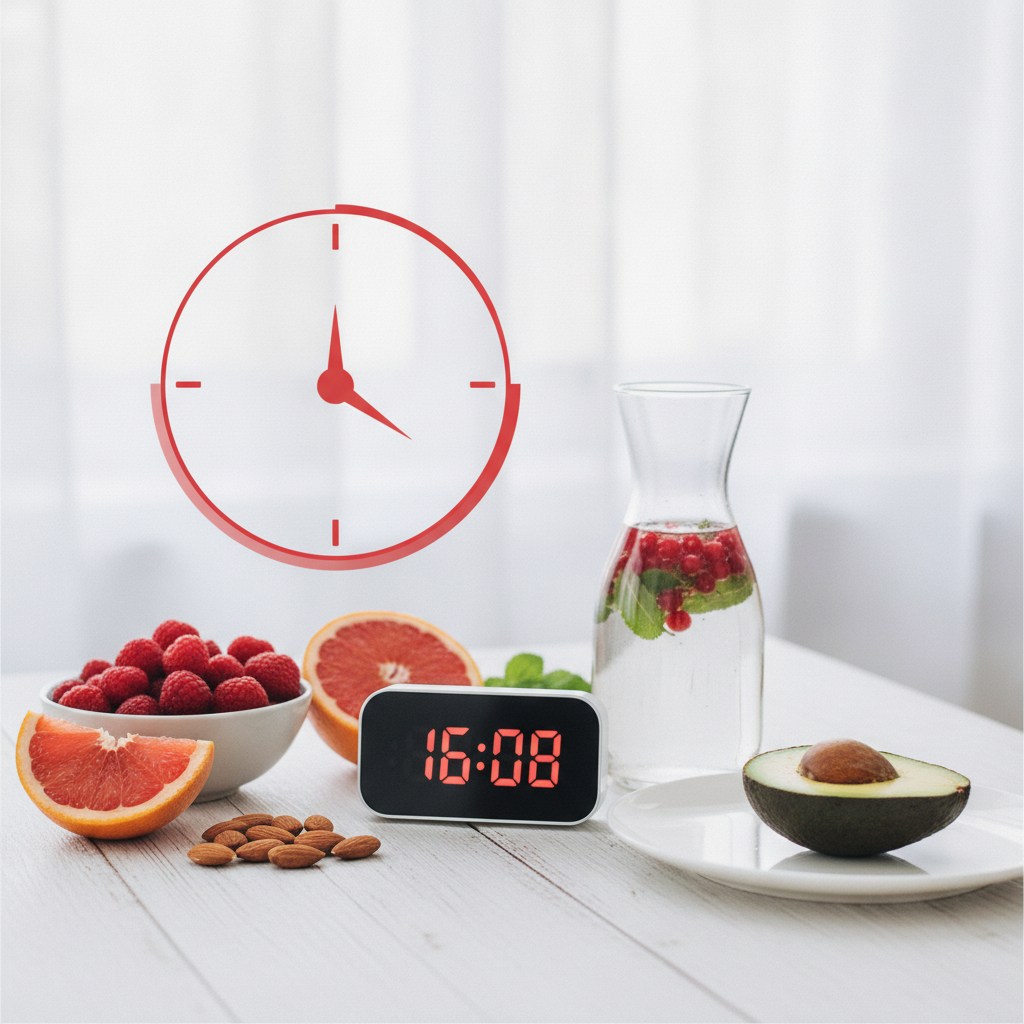
People search for type of fasting when they know intermittent fasting exists but feel lost among labels. 16:8, Crescendo, OMAD, dirty fasting, dry fasting, alternate-day, prolonged water fasts — the vocabulary expands faster than the evidence for any single method. A clearer approach is to group fasting by structure, understand what each structure demands physiologically and socially, then pick the least aggressive option that still serves your goal.
This guide maps the major types of fasting used by everyday adults, explains how they differ from diets that control food choice rather than timing, and offers decision criteria so you can move from research tabs to a schedule you can keep. Medical disclaimers apply throughout: fasting is not appropriate for everyone, including people who are pregnant, underweight, have a history of disordered eating, or take medications that require food. When in doubt, talk with a clinician who knows your history.
Time-Restricted Eating: The Daily Window Methods
Time-restricted eating (TRE) is the family of protocols that compress food intake into a consistent daily window. It is the type of fasting most beginners should start with because sleep covers a large share of the fasting hours, social disruption is modest, and adherence research is relatively stronger than for extreme schedules.
12:12 is the gentle on-ramp: twelve hours fasting, twelve hours eating. Finishing dinner at 8 p.m. and eating breakfast at 8 a.m. qualifies. Many people already live near this rhythm without naming it fasting. Use 12:12 for one to two weeks if you have never gone longer than overnight without calories.
14:10 tightens the window enough to matter for many weight and metabolic goals while remaining forgiving. Breakfast at 9 or 10 a.m. and dinner ending by 7 or 8 p.m. fits office schedules well. Women who report hormone sensitivity to aggressive fasting often prefer starting here rather than jumping straight to sixteen hours.
16:8 is the most popular intermittent fasting type because it balances challenge and lifestyle fit. Eight hours of eating — for example noon to 8 p.m. — leave a long overnight fast without requiring a full day of abstinence. Insulin exposure falls for more consecutive hours, spontaneous calorie reduction is common, and the method scales across cultures that already delay breakfast.
18:6 and 20:4 intensify the same daily pattern. Six- or four-hour eating windows often collapse into two meals or one primary meal plus a snack. Benefits may increase for some people seeking deeper energy regulation, but social meals, training fueling, and nutrient density become harder. Escalate only after 16:8 feels easy for several weeks.
OMAD (one meal a day) is daily TRE taken to a single sitting. It is a type of fasting that appeals to minimalists and busy professionals, yet it raises risks of under-eating protein, bingeing within the meal, and poor training recovery if you are athletic. Treat OMAD as an advanced option, not a default.
Across TRE methods, consistency of the window often matters more than squeezing every last fasting hour. A reliable 16:8 beats a chaotic 20:4 that collapses every weekend.
Periodic and Alternate-Day Fasting Types
Not every type of fasting repeats identically every day. Periodic approaches insert harder days into an otherwise normal week.
5:2 fasting typically means five days of habitual eating and two non-consecutive days of sharp calorie restriction — historically around 500–600 calories, though modern interpretations vary. The appeal is psychological: you only “diet hard” twice weekly. The challenge is planning those days so hunger does not trigger low-quality food choices or abandonment.
Alternate-day fasting (ADF) alternates higher-intake days with fasting or very-low-calorie days. Research sometimes shows meaningful weight and cardiometabolic changes, but dropout can be higher than with TRE because every other day feels like a negotiation. Modified ADF that allows a small intake on fasting days is often more sustainable than complete zero-calorie alternate days.
Eat-Stop-Eat style 24-hour fasts once or twice weekly sit between daily TRE and prolonged fasting. You finish dinner Monday, skip food until dinner Tuesday, then resume. This type of fasting creates a full circadian clear-out without multi-day endurance. Hydration, electrolytes, and a planned refeed matter. People with high physical jobs should not schedule 24-hour fasts on their hardest workdays first.
Periodic methods suit people who hate shrinking every meal window but can tolerate occasional harder days. They suit others poorly — especially anyone whose hunger on restricted days spirals into weekend overeating that erases the weekly deficit.
Prolonged Fasts, Religious Fasts, and Specialty Variants
Beyond intermittent schedules sit longer and culturally rooted practices.
Prolonged water fasting lasting 48 hours, 72 hours, or more is sometimes pursued for perceived autophagy or reset effects. Evidence in free-living humans is thinner than social media implies, and medical supervision becomes more important as duration rises. Electrolyte imbalance, hypotension, gout flares, and refeeding complications are real risks. This type of fasting is not a casual lifestyle hack.
Dry fasting excludes water as well as food and should be approached with extreme caution; it is not recommended as a weight-loss tool in this guide.
Religious fasting — Ramadan dawn-to-dusk patterns, Orthodox fasting seasons, and other traditions — blend spiritual aims with metabolic stress. The physiology overlaps with time-restricted eating but meal composition, sleep disruption for early meals, and community context differ. Respect the tradition’s rules rather than forcing secular TRE advice on top without adaptation.
Dirty fasting allows tiny calorie amounts (coffee with cream, bone broth) during the fast window. Purists argue any calories break the fast; pragmatists argue adherence improves. Metabolically, “dirty” intake can blunt some insulin and autophagy goals while still supporting calorie control. It is a compromise type, not a separate biology.
Fat fasting or fasting-mimicking approaches aim to produce fasting-like signals while providing limited nutrition. Commercial programs exist; DIY versions vary widely in quality. Treat them as structured low-calorie protocols, not magic.
Specialty names proliferate because marketing loves novelty. Your decision framework should still reduce to: daily window vs periodic hard days vs supervised long fasts.
How to Choose the Right Type of Fasting for Your Goal
Match method to objective, lifestyle, and risk tolerance.
For weight management, daily TRE such as 16:8 or 18:6 usually wins on adherence. Periodic 5:2 can work if you prefer two hard days over daily structure. Extreme protocols fail when rebound eating appears.
For blood sugar awareness (not a substitute for diabetes care), consistent TRE that avoids late-night eating is a practical first experiment under clinician guidance. People on glucose-lowering medications need medical advice before extending fasts.
For simplicity and mental load, fewer rules beat complex calendars. A fixed noon-to-8 p.m. window is easier than alternating ADF math every morning.
For strength athletes, shorter TRE windows placed around training may preserve performance better than 24-hour weekly fasts that wreck workout quality. Protein intake inside the eating window must stay high enough to support muscle.
For women with cycle-related symptoms, many clinicians suggest starting with 12:12 or 14:10 and monitoring energy, sleep, and menstrual regularity before pushing longer. Individual responses vary; tracking symptoms matters as much as tracking hours.
For beginners, choose the type of fasting that you can complete five weekdays without drama. Success compounds through repetition, not through choosing the most extreme label on day one.
Write your constraints down: wake time, commute, training, family dinner, medications. Then reverse-engineer a window or periodic plan that respects those constraints. The “best” type of fasting is the one still running in eight weeks.
Common Mistakes Across Fasting Types
People fail fasting schedules for predictable reasons that transcend which type they chose.
They combine aggressive fasting with aggressive calorie cutting and chronic high-intensity training, then blame intermittent fasting when recovery collapses. They drink caloric beverages all morning and wonder why results stall. They treat weekends as exemptions until average weekly fasting hours fall apart. They chase autophagy timelines that ignore individual metabolic differences. They switch types every four days because social media suggested a new acronym.
Stabilization beats novelty. Pick one type of fasting, track it for three to four weeks, adjust meal quality inside the window, and only then escalate duration or frequency. Use sleep, energy, workouts, digestion, and mood as feedback — not just the scale.
Hydration, electrolytes (especially on longer fasts), and protein-forward meals are infrastructure, not optional extras. Breaking a long fast with ultra-processed binge foods teaches your brain that fasting earns punishment and reward in the same evening, which undermines sustainable practice.
Track Your Type of Fasting with Easy Fast
Whatever type of fasting you choose, timing clarity reduces willpower waste. The Easy Fast app lets you set presets for common windows or custom durations, start and stop with one tap, and review history so you can see whether you actually followed the method you picked. Data stays on your device — no account and no cloud profile of your health routines — which matches a science-minded preference for privacy.
Use Easy Fast to compare weeks when you held 16:8 versus weeks when you “sort of” fasted. Patterns reveal more than motivation speeches. If you escalate from 14:10 to 16:8, the app makes the new target concrete instead of aspirational. If you experiment with a weekly 24-hour fast, log it deliberately so you do not accidentally stack hard days without recovery.
Download Easy Fast, choose the schedule that matches your selected type, and let objective timestamps replace vague claims that you are “pretty consistent.” Methods only work when hours are real.
Consistency across months matters more than which branded type of fasting you announce online. Choose a structure you respect, fuel wisely when you eat, protect sleep, and track the hours honestly. That combination outperforms constantly switching protocols in search of a perfect label.
Research comparisons between fasting types should be read carefully. Trials differ in calorie matching, supervision, and who enrolls. A supervised alternate-day protocol in a clinic is not the same experience as improvising long fasts between meetings. When a headline claims one type of fasting is universally superior, check whether participants could actually adhere and whether the control diet was realistic. Lifestyle fit remains an under-reported variable that often explains real-world outcomes better than the hour count alone.
If you have already tried one type of fasting and quit, diagnose the failure mode before switching labels. Was hunger unmanageable, or was the social schedule wrong? Did workouts collapse, or did weekends erase weekday wins? Was the problem biology, or was it a chaotic eating window with no protein plan? Switching from 16:8 to ADF will not fix under-sleeping and stress eating. Repair the constraint, then reselect the method.
,Safety boundaries belong in every overview of fasting types. Adolescents, people who are pregnant or breastfeeding, individuals with a history of eating disorders, and patients on certain medications should not self-prescribe aggressive protocols from blog posts. Even healthy adults should stop a fast if they experience fainting, chest pain, confusion, or severe weakness. Choosing a gentler type of fasting is a feature of good judgment, not a lack of commitment.
Frequently Asked Questions
What is the best type of fasting for beginners?
Most beginners do best with time-restricted eating at 12:12, 14:10, or 16:8. These methods use overnight hours, allow daily meals, and are easier to socialize than alternate-day or prolonged fasts. Start shorter if needed, then lengthen after two comfortable weeks.
How many types of intermittent fasting exist?
There is no official count because naming is inconsistent. Practically, methods cluster into daily time-restricted eating, periodic or alternate-day approaches, and occasional prolonged fasts. Focus on clusters rather than collecting every brand name.
Is OMAD a healthy type of fasting?
OMAD can work for some adults who plan nutrient-dense meals and maintain energy, but it is advanced. Risks include inadequate protein, micronutrient gaps, and disordered patterns. Try 16:8 or 18:6 first and only move to OMAD if those feel sustainable.
What type of fasting is best for weight loss?
The type you can adhere to while maintaining a modest calorie deficit. For many people that is 16:8 or 18:6 daily. 5:2 helps others. Extreme protocols often fail via rebound eating. Track adherence and body measurements for four weeks before escalating.
Does dirty fasting still count as a type of fasting?
It is a pragmatic variant of time-restricted eating that allows small calories during the window. It may reduce some metabolic goals while improving adherence. Decide based on your priority: strict fasting physiology versus lifestyle flexibility.
Can I combine different types of fasting in one week?
You can, but frequent mixing makes it hard to learn what works. A cleaner approach is a daily baseline (like 16:8) plus at most one optional longer fast weekly after you are adapted. Avoid stacking prolonged fasts back-to-back without a reason and a recovery plan.
How do I track which type of fasting I am following?
Use a fasting timer with presets and history. Easy Fast stores start and end times on your iPhone so you can verify weekly averages and schedule changes without sharing health data to the cloud. Review Sunday evening and adjust the next week deliberately.