12:12 Fasting: The Gentle Complete Guide for Beginners
Learn how 12:12 fasting works, who it suits, how to progress, and practical tips to build a sustainable overnight fasting habit without extreme restriction.
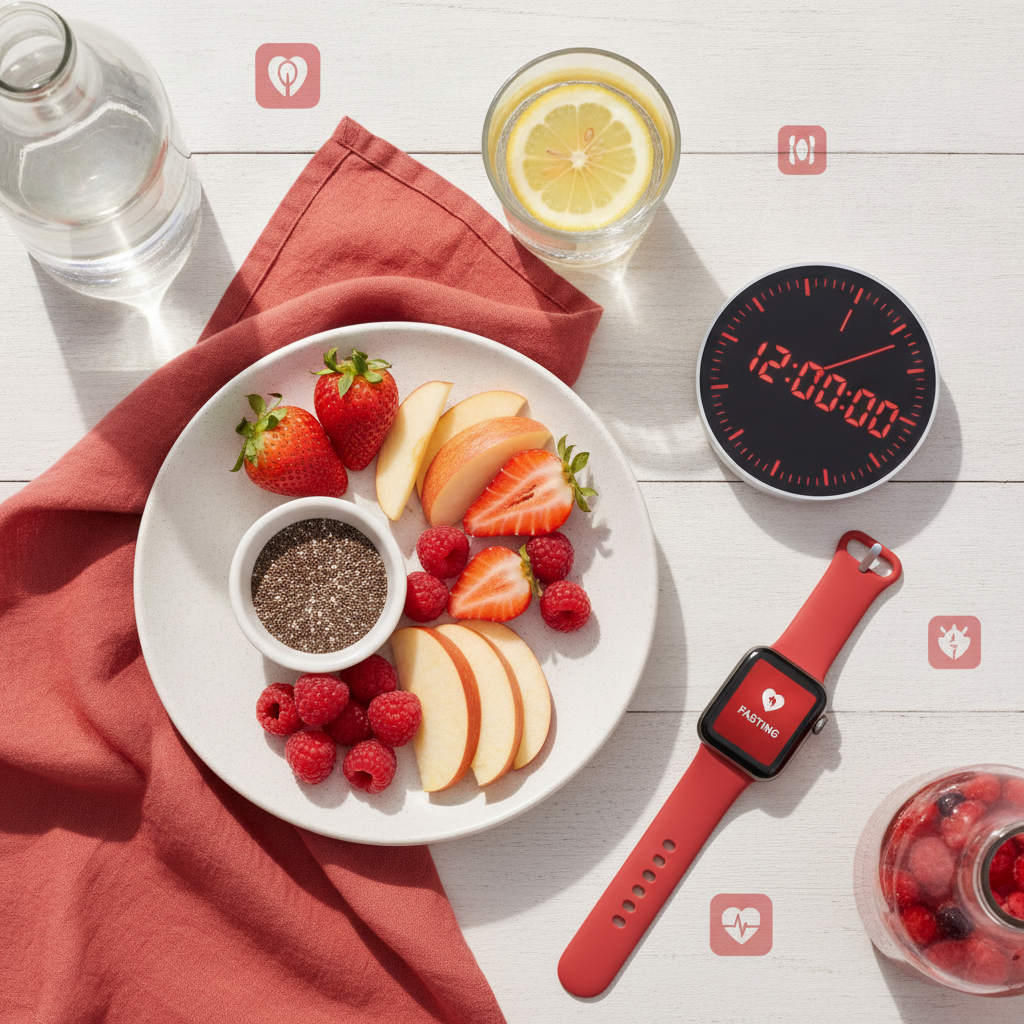
Twelve hours of fasting and twelve hours of eating sounds almost too modest to matter. Yet for millions of people who currently snack from the moment they wake until late evening, a consistent 12:12 fasting rhythm is one of the highest-leverage health changes they will ever make. It restores a true overnight fast, protects sleep-related metabolic recovery, and gives your digestive system a predictable break without demanding heroic willpower or social isolation.
If you have failed at longer intermittent fasting protocols, or if you simply want a humane entry point that still respects circadian biology, this guide is for you. We will cover what 12:12 fasting actually is, why overnight fasting matters, how to implement it, what to expect biologically, how to progress when you are ready, and how to stay consistent with a privacy-first tracker.
What 12:12 Fasting Really Means
12:12 fasting is a daily time-restricted eating pattern: you eat within a twelve-hour window and fast for the remaining twelve hours. A classic example is finishing dinner by 7:00 p.m. and waiting until 7:00 a.m. for breakfast. Another is eating between 8:00 a.m. and 8:00 p.m. There is no requirement to skip breakfast or dinner. The protocol simply insists that calorie-containing foods and drinks stay inside a defined twelve-hour band.
During the fasting half of the day, water, plain black coffee, and unsweetened tea are typically allowed because they do not meaningfully interrupt the metabolic purpose of the break for most healthy adults. Creamers, sweetened beverages, alcohol, and small bites of food all reopen the digestion and insulin cycle, so they belong in the eating window.
People often underestimate how radical this is compared with modern habits. Many adults eat or sip caloric drinks across fourteen to sixteen waking hours. Closing that gap to twelve hours reintroduces a circadian-aligned overnight fast that human metabolisms evolved under for most of history. You are not chasing ketosis fireworks. You are restoring a basic rhythm.
12:12 belongs to the broader family of intermittent fasting methods, but it sits at the gentle end of the spectrum next to 14:10, 16:8, and more aggressive approaches like 18:6 or one meal a day. Treat it as a foundation protocol rather than a weak compromise. Athletes, shift workers, new parents, people with high training loads, and anyone under medical supervision often do better starting here than jumping straight to sixteen-hour fasts.
Why Overnight Fasting Matters for Metabolic Health
The scientific interest in time-restricted eating has grown quickly, and much of the practical benefit for beginners appears even at twelve-hour fasting windows. Overnight fasting helps lower late-night snacking, which often means fewer empty calories and better sleep. It also allows insulin levels more time at baseline between the last meal of the day and the first meal of the next morning.
When you finish eating earlier, digestion can wind down before deep sleep. Late heavy meals raise nighttime heart rate variability strain for some people and can worsen reflux. A 12:12 schedule that closes the kitchen a few hours before bed frequently improves morning appetite regulation and reduces that foggy, overfed feeling upon waking.
There is also a circadian angle. Insulin sensitivity tends to be higher earlier in the day for many adults. Compressing eating into daylight-aligned hours, even at a generous twelve-hour span, can support metabolic signaling better than grazing until midnight. You do not need laboratory-grade circadian science to feel the difference: more consistent meal timing, fewer midnight pantry visits, and clearer hunger cues over the first two weeks.
Importantly, 12:12 fasting is usually not an automatic calorie-restriction diet. Some people eat the same total calories inside a smaller window. Others naturally eat a bit less because evening grazing disappears. Weight change depends on overall energy balance, protein intake, sleep, stress, and activity. Frame 12:12 first as a metabolic and behavioral hygiene practice. If fat loss is your goal, pair the schedule with protein-forward meals and a modest energy deficit rather than expecting the timer alone to do everything.
How to Start a 12:12 Fasting Schedule This Week
Start by measuring your current eating span for three ordinary days. Note the first caloric intake after waking and the last before bed, including milky coffee, juice, alcohol, and snacks. Many people discover a fifteen-to-seventeen-hour eating day without realizing it. That baseline tells you how far you need to travel to reach twelve hours.
Next, choose an eating window that matches your life. Early birds may prefer 7:00 a.m. to 7:00 p.m. Night-oriented schedules may choose 10:00 a.m. to 10:00 p.m., though earlier cutoffs generally support sleep better. Social dinners matter. If family meals end at 8:00 p.m., building your window around that finish time prevents perpetual rule-breaking.
Shrink the window gradually. If you currently finish at 10:30 p.m., pull last intake to 10:00 p.m. for three nights, then 9:30, then 9:00. On the morning side, delay the first coffee with cream or the first breakfast by thirty minutes at a time if needed. Abrupt jumps work for some personalities; most people stick better with incremental change.
Define what is allowed during the fast before day one. Write the rule: water, black coffee, unsweetened tea only. Pre-commit removes negotiation when boredom hunger appears at 9:00 p.m. Keep sparkling water and herbal tea on hand so evening ritual remains without calories.
Track the clock honestly. Mental math fails when evenings get busy. A simple fasting timer removes ambiguity about when the window opened and closed. The Easy Fast app lets you start a 12:12 schedule with one tap, see remaining fasting time clearly, and review history so your overnight fasting habit becomes visible rather than aspirational.
What Happens in Your Body During a Twelve-Hour Fast
In the first few hours after your last meal, your body digests and absorbs nutrients. Blood glucose and insulin rise, then gradually fall as tissues take up fuel. As you move past that post-meal phase into true overnight fasting, the liver begins releasing stored glycogen to maintain blood sugar for the brain and other glucose-dependent tissues.
Twelve hours is often enough for many people to shift more toward fat oxidation while sleeping and in the early morning, especially if the last meal was not carbohydrate-heavy. Deep nutritional ketosis is not the point of 12:12. Think instead of improved metabolic flexibility: the ability to move between fed and fasted physiology without drama.
Hunger hormones also begin relearning. Ghrelin, often linked to meal expectancy, tends to rise near habitual meal times. When you stop late-night eating, evening ghrelin cues can feel loud for several days and then soften. Morning appetite may feel stronger at first, then normalize as breakfast becomes a scheduled event rather than an emergency reaction to overnight chaos.
Sleep quality interactions matter. People who previously snacked late sometimes sleep more soundly once digestion and blood sugar swings settle. Others feel hungrier at bedtime initially. Both responses are common. Hydration, a protein-containing dinner, and a wind-down routine without kitchen browsing usually solve bedtime hunger within a week.
If you take medications that require food, have diabetes, are pregnant, breastfeeding, underweight, or have a history of disordered eating, talk with a clinician before changing meal timing. 12:12 is gentle compared with prolonged fasting, but timing changes still affect glucose and medication contexts for some people.
Common Mistakes That Undermine 12:12 Fasting
The most common mistake is the sneaky calorie. A splash of oat milk in evening coffee, a few bites of leftovers, a square of chocolate, or a nightcap all interrupt the fasting window. They may feel trivial, yet they reset digestion and muddle the behavioral boundary that makes 12:12 work. Keep the rule clean.
Another mistake is compressing calories into junk. A twelve-hour window filled with ultra-processed snacks is still a poor diet with a timer attached. Use the structure to prioritize protein, vegetables, fruit, legumes, whole grains if tolerated, and minimally processed fats. Fasting schedules amplify food quality; they do not replace it.
Inconsistency is the silent failure mode. Fasting twelve hours on weekdays and grazing sixteen hours on weekends produces a stop-start metabolic and behavioral signal. Aim for consistency five to seven days per week. Social flexibility of thirty to sixty minutes is realistic; complete weekend abandonment is not a 12:12 practice.
People also over-restrict daytime eating out of enthusiasm. If you take a twelve-hour window and then skip meals inside it to force a deficit, you may crash energy, under-eat protein, and rebound into evening overeating. Eat satisfying, adequate meals inside the window, especially if you are active.
Finally, some jump prematurely to 16:8 and then quit entirely when hunger spikes. 12:12 shines as a stable lifestyle rhythm. Progress only after two to four consistent weeks when evenings feel easy and mornings feel calm. Mastery of overnight fasting is a win, not a consolation prize.
Progressing Beyond 12:12 Without Burning Out
When twelve-hour fasting feels automatic, you can consider a mild extension. Move to 13:11 for a week, then 14:10. Many people find that stopping dinner earlier is easier than skipping breakfast, while others prefer delayed mornings. Choose the direction that protects social meals and training quality.
Athletes and heavy laborers should progress cautiously. Extended fasting around hard training can impair performance and recovery if fueling is poorly timed. Keep carbohydrate and protein available around workouts inside the eating window. 12:12 often remains ideal for high training loads precisely because it does not starve training sessions of energy.
For weight loss goals, combine progression with evidence-based nutrition. Increase protein toward roughly 1.6 to 2.2 grams per kilogram of goal body weight if appropriate for your health status, emphasize high-volume foods for satiety, lift weights two to four times weekly, walk daily, and sleep seven to nine hours. A longer fast that wrecks sleep or training is a downgrade from a rock-solid 12:12.
Track adherence as your primary metric for the first month. Completed overnight fasts matter more than scale noise. Easy Fast stores your fasting history on your device with no analytics account and no cloud profile of your habits. Optional food photo features, if you use them, only call OpenAI or Gemini when you choose to analyze a meal photo; your core fasting log remains local.
Build identity language around the practice: you are someone who finishes eating at a set time and protects sleep. Identity beats motivation. When travel, holidays, or illness interrupt the schedule, resume the next day without drama. 12:12 fasting succeeds because it is boring enough to keep forever.
Frequently Asked Questions
Is 12:12 fasting effective for weight loss?
It can support weight loss when it reduces late-night calories and improves consistency, but it is not magic. Fat loss still requires an energy deficit over time. Many people lose fat on 12:12 because evening snacking disappears. Others maintain weight while gaining metabolic rhythm benefits. Pair the schedule with protein-rich meals, adequate fiber, and activity for stronger body-composition results.
Can I drink coffee during a 12:12 fast?
Plain black coffee and unsweetened tea are generally compatible with a fasting window for most healthy adults. Caloric additions such as sugar, milk, cream, or syrups belong in the eating window. If black coffee worsens reflux or anxiety, switch to water or herbal tea after your cutoff time.
How is 12:12 different from 16:8 intermittent fasting?
Both are time-restricted eating methods. 12:12 offers a longer eating window and shorter fast, making it easier socially and metabolically for beginners, shift-heavy lifestyles, and high training loads. 16:8 shortens eating to eight hours and may produce stronger appetite and metabolic effects for some people, but it also demands more adaptation. Start with 12:12 if sustainability is your bottleneck.
Do I need to eat exactly twelve hours every day?
Aim for a consistent target, not perfection. A eleven-to-thirteen-hour reality with most days near twelve still beats chaotic grazing. Use a tracker so small drifts do not silently expand into fourteen-hour eating days. If life forces a longer window occasionally, return to baseline the next day.
Who should avoid changing to a 12:12 schedule without medical advice?
Anyone who is pregnant or breastfeeding, has a history of eating disorders, is underweight, takes medications that require food timing, or manages diabetes or other metabolic conditions should speak with a clinician first. Even gentle fasting changes can interact with medicine and glucose management.
Will I lose muscle on 12:12 fasting?
Unlikely if you eat enough total protein and perform resistance training. Short overnight fasts do not equal starvation. Muscle loss risk rises more from chronic under-eating, inactivity, and very aggressive long fasts without adequate refeeding. Keep protein distributed across meals inside your twelve-hour window.
How can Easy Fast help me stick to 12:12?
Easy Fast is a simple iPhone fasting tracker with one-tap start and stop, schedule presets, reminders, and local history. Your data stays on-device with no analytics tracking your health behavior. Download it at the App Store listing for Easy Fast and treat the overnight fast as a visible daily habit rather than a vague intention.
12:12 fasting is the gateway protocol that many people should have tried before forcing extreme windows. It respects circadian overnight recovery, reduces mindless grazing, and builds the behavioral muscle of timed eating. Master the twelve-hour rhythm, protect sleep, eat well inside the window, and only then decide whether longer protocols serve your goals. Consistency at twelve hours beats intermittent heroics at sixteen.