16 8 Diet Guide: How the Eating Window Actually Works
Learn how the 16 8 diet works day to day—what to eat in the eight-hour window, what to drink while fasting, sample schedules, and how to stay consistent.
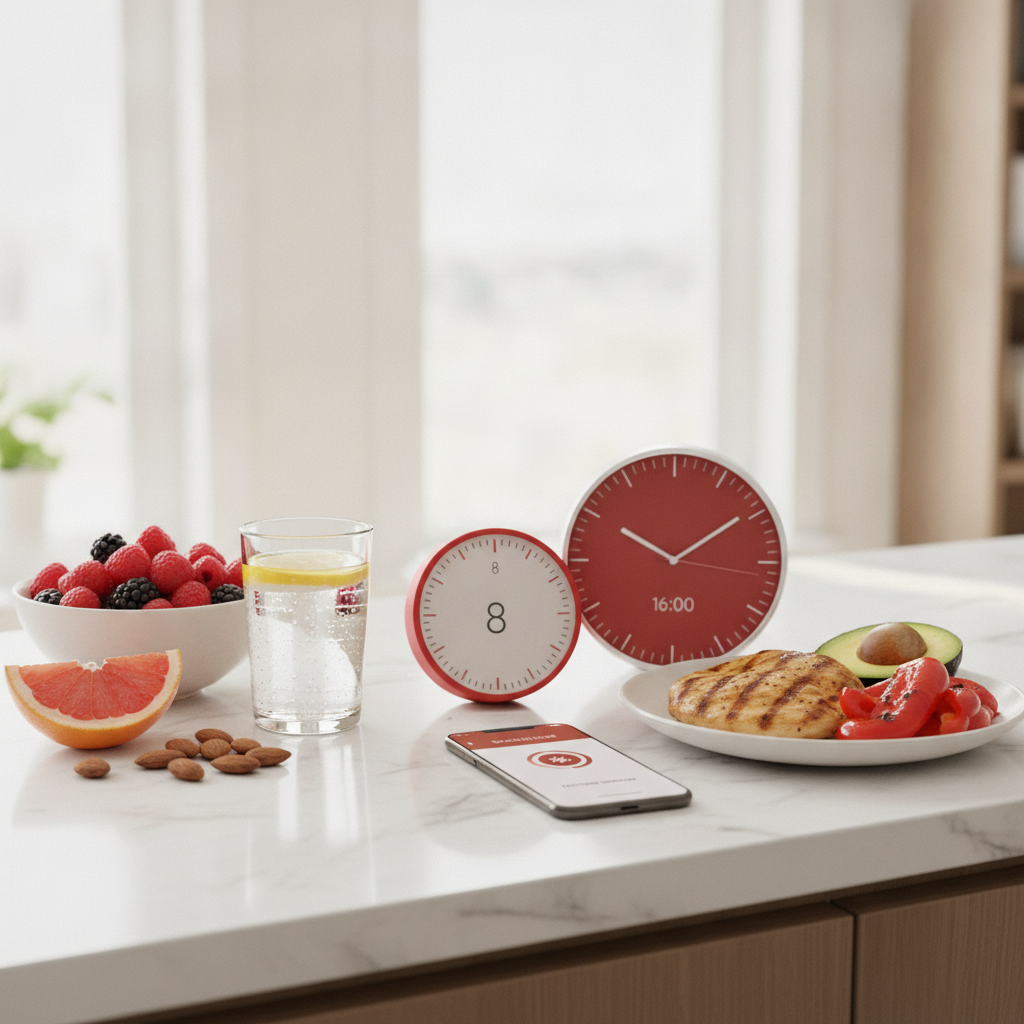
The 16 8 diet is intermittent fasting described as a diet plan: sixteen hours without calories and eight hours when all meals happen. People like the label “diet” because it sounds like a complete program, even though classic 16:8 does not prescribe a grocery list. That flexibility is the point. You are not banned from carbohydrates or forced into juice cleanses. You are rearranging when food shows up so appetite, insulin timing, and daily calories become easier to manage.
If you arrived here searching specifically for the 16 8 diet, you probably want operational detail — sample windows, what breaks the fast, what to eat first, and how to handle hunger — not another abstract praise post. This guide stays practical. It treats 16:8 as a lifestyle scaffold you can run for months, not a three-day challenge.
What the 16 8 Diet Means in Practice
On the 16 8 diet you finish eating, start a sixteen-hour clock, and resume eating when that clock ends. Inside the eight-hour eating window you consume your day’s food. Outside it you drink water, black coffee, plain tea, or other non-caloric beverages depending on how strict you want to be.
Popular windows include 12:00–8:00 p.m., 11:00 a.m.–7:00 p.m., and 1:00–9:00 p.m. Morning people sometimes prefer 9:00 a.m.–5:00 p.m. Night-shift workers must anchor the window to their awake day rather than the solar clock. The ratio matters more than the clock face.
Unlike keto or vegan diets, the 16 8 diet does not define food quality. You can do 16:8 with whole foods or with ultra-processed snacks. Results differ wildly based on that choice. Treat the fasting clock as structure and nutrition quality as the second lever. Protein, vegetables, fiber, and hydration determine whether 16:8 feels energetic or miserable.
Hormonal benefits often advertised online — deeper fat burning after certain hours — vary by person, sleep, activity, and prior diet. The most reliable early benefit for many beginners is simply eating fewer random snacks and stopping late-night grazing. That alone can reduce weekly calories without obsessive tracking.
Building Your 16 8 Diet Schedule Around Real Life
A diet only works if your calendar cooperates. Map mandatory meals first: family dinners, client lunches, training sessions that need fuel. Then place the eight-hour window so those events fit inside it. If dinner with kids is non-negotiable at 6:30 p.m., ending the window at 5 p.m. is a fantasy.
Early window example: Eat 9 a.m. to 5 p.m. Useful for parents who want evenings free of kitchen decisions and for people who dislike late meals that disrupt sleep.
Midday window example: Eat noon to 8 p.m. The classic office-friendly 16 8 diet layout. Coffee in the morning, lunch as the first meal, dinner as the close.
Late window example: Eat 2 p.m. to 10 p.m. Helps social night owls, though late eating can worsen reflux and sleep for some. Experiment and watch how you feel the next morning.
Hold the same window on weekdays for two weeks before judging. Constantly sliding start times recreates the grazing pattern you meant to leave. On social outliers, shift by one or two hours rather than abandoning the diet entirely. Partial adherence still beats all-or-nothing collapse.
Prep beverages the night before so mornings are automatic: water bottle filled, coffee maker scheduled, electrolytes available if you train fasted. Friction at hour fourteen is usually about environment, not character.
What to Eat on the 16 8 Diet
The eating window is short enough that meal quality becomes urgent. Two or three feedings must cover protein targets, micronutrients, and satiety.
Prioritize protein at each meal — eggs, Greek yogurt, fish, poultry, tofu, lean beef, or legumes — so muscle and fullness hold steady. Many adults feel better aiming for a solid protein portion at the first meal rather than breaking the fast with sugary cereal.
Fill half the plate with plants when possible. Fiber slows digestion and reduces the urge to keep grazing until the window slams shut.
Include carbohydrates strategically around workouts and afternoon energy dips. The 16 8 diet is not low-carb by default. Athletes who remove carbs and extend fasting simultaneously often wonder why training suffers.
Use fats for satisfaction, not as unlimited free foods. Nut butters and cheeses are easy to overeat when the clock is ticking.
Break the fast gently if you feel nauseated after long morning empties: broth, yogurt, eggs, or a mixed meal beats a dessert binge. Teaching your body that the first meal is chaotic makes tomorrow’s hunger louder.
Hydrate aggressively during fasting hours and continue during the window. Thirst often masquerades as snack desire at hour twelve.
A simple template many coaching clients use: Meal 1 protein-forward plus produce; Meal 2 balanced plate similar to a normal healthy dinner; optional snack of fruit and dairy or nuts if the window allows. Repeatable templates beat gourmet aspirations you never cook.
Hunger, Energy, and the First Two Weeks
The hardest phase of the 16 8 diet is usually days three through ten. Glycogen habits adapt, ghrelin rhythms shift, and your brain protests the missing breakfast bagel. Mild headache, irritability, and clock-watching are common and typically fade if sleep and sodium are adequate.
Strategies that help without breaking the diet: sparkling water, walking meetings, postponing coffee thirty minutes if it worsens jitters, brushing teeth when the kitchen calls, and checking your tracker so you see progress rather than guessing. Hunger often arrives in waves; surfing a twenty-minute wave is different from fighting a permanent state.
If dizziness, fainting, or severe distress appears, stop and seek medical advice. Fasting should feel challenging at times, not dangerous. People with medical conditions need individualized guidance before starting.
After adaptation, many people report steadier morning focus because they stop chewing through a heavy breakfast and a mid-morning crash. Others discover they need a slightly earlier window. Adjustment is data, not failure.
Mistakes That Quietly Break the 16 8 Diet
Caloric drinks in the fast. Lattes, juice, sweetened tea, and “just a splash” cream add up. Decide your purity rules and keep them.
Weekend erasure. Friday night through Sunday brunch can wipe a weekday deficit. Keep some structure on weekends even if the window shifts.
Undereating protein then wondering why you feel weak and snacky inside the window.
Overtraining fasted every day without ever fueling hard sessions inside the window.
Using 16:8 as permission to binge. The diet organizes timing; it does not erase energy balance.
App hopping and plan hopping every week. Stability teaches your appetite hormones what to expect.
Track honestly. If you keep “pausing” the fast for tastes while cooking, you are not running the protocol you think you are.
Stay Consistent with Easy Fast
The 16 8 diet is a timing system, so a timer belongs in the system. Easy Fast gives you one-tap start and stop, clear progress through the sixteen hours, reminders for window open and close, and history that shows whether your week looks like 16:8 or like good intentions. Everything stays on your device for privacy — no account required, no cloud scrapbook of your meals clock.
Open Easy Fast after your last bite, start the fast, and let the display reduce mental math. When motivation dips on day five, a visible streak of completed windows often matters more than another article about autophagy. Keep the app boring and the meals nutrient-dense; that pairing is how the 16 8 diet becomes identity instead of a temporary experiment.
Download Easy Fast from the App Store, lock in tomorrow’s window tonight, and treat the first fourteen days as skill practice. The diet rewards people who show up for the clock even when brunch invitations get creative.
Sustainable weight and energy outcomes follow weeks of closed kitchens after dinner, protein-aware meals inside the window, and sleep that is protected as fiercely as fasting hours. Master those basics before you complicate the plan.
Sleep is the hidden lever of the 16 8 diet. Late windows that push dinner toward bedtime can worsen reflux and next-day hunger even when fasting hours look perfect on paper. If you wake ravenous and foggy, try shifting the window earlier by sixty to ninety minutes while keeping the sixteen-hour total. Protect a consistent sleep schedule the same way you protect the kitchen-closed rule after your last meal.
Social life does not have to destroy the 16 8 diet. Choose restaurants inside the window when you can. If a brunch sits outside your usual hours, move the entire window for that day rather than snacking before and after. Communicate simply: “I eat noon to eight” is easier for friends to respect than vague talk about being “on a diet.” People usually adapt when the rule is clear and not moralizing.
Progress checks should include more than the scale. Waist measurements, resting energy, workout performance, and how often you wake at night all inform whether the 16 8 diet is serving you. Weigh yourself under similar conditions two or three times weekly at most if numbers help, or skip daily weighing if it fuels anxiety. Pair objective tracking of fasting hours with subjective quality-of-life notes so you do not optimize one metric while wrecking another.
Plateaus after early success are common. Your body adapts, non-exercise activity drifts down, and portions inside the window quietly expand. Respond with process audits first: Are fasting hours still true? Is protein still high? Are liquid calories sneaking in? Only after those checks should you consider tightening to 18:6 or adding more daily movement. Escalation without an audit often stacks stress on top of stealth calorie creep.
Think of the 16 8 diet as training for delayed gratification around food cues. Phones near the fridge, leftover dessert on the counter, and workplace snacks all test the protocol. Environmental design — brushing teeth after the last meal, leaving the kitchen, planning tomorrow’s first meal — beats raw willpower speeches. When the environment supports the window, the diet feels quieter and easier to maintain for seasons rather than weeks.
Finally, give the 16 8 diet enough runway before discarding it. Two imperfect weeks teach less than four consistent ones. Use Easy Fast history as proof of practice, then decide whether to continue, soften to 14:10, or tighten carefully based on real data rather than a single hungry afternoon.
Frequently Asked Questions
What is the 16 8 diet exactly?
It is a daily intermittent fasting pattern: sixteen hours without caloric intake and eight hours for all meals and snacks. Food quality is not prescribed by the timing rule alone, so pairing 16:8 with balanced meals works better than pairing it with constant junk food.
Can I drink coffee on the 16 8 diet?
Black coffee is widely accepted during the fasting window. Calories from sugar, milk, cream, or syrups break a strict fast. If you need a splash of milk to adhere long term, you are practicing a flexible variant — decide consciously.
How many meals should I eat in eight hours?
Most people eat two meals, or two meals plus one snack. Three smaller meals also work if they fit the window. Total nutrition and protein matter more than hitting a magic meal count.
Is the 16 8 diet safe for women?
Many women do well on 16:8, while some prefer 14:10 during stressful seasons or certain cycle phases. Watch energy, sleep, mood, and menstrual regularity. Seek clinical advice if you have hormone or eating-disorder history.
Will I lose weight on the 16 8 diet?
Many people lose weight because the window reduces snacking and late calories. Weight loss is not guaranteed if intake inside the eight hours exceeds needs. Combine timing with protein, produce, and realistic portions.
What breaks a fast on the 16 8 diet?
Any caloric food or drink breaks a strict fast. Medications mixed with caloric liquids count. Non-caloric water, black coffee, and unsweetened tea are the usual fasting companions.
How do I track the 16 8 diet without overthinking?
Use a simple fasting timer. Easy Fast logs start and end times on your iPhone, shows progress, and keeps history private on-device so you can focus on the habit instead of spreadsheet math.