Autophagy Fasting: What Cellular Cleanup Claims Get Right—and Wrong
Explore autophagy fasting evidence, realistic timelines, dry fasting myths, and how to practice time-restricted eating without chasing fake hour markers.
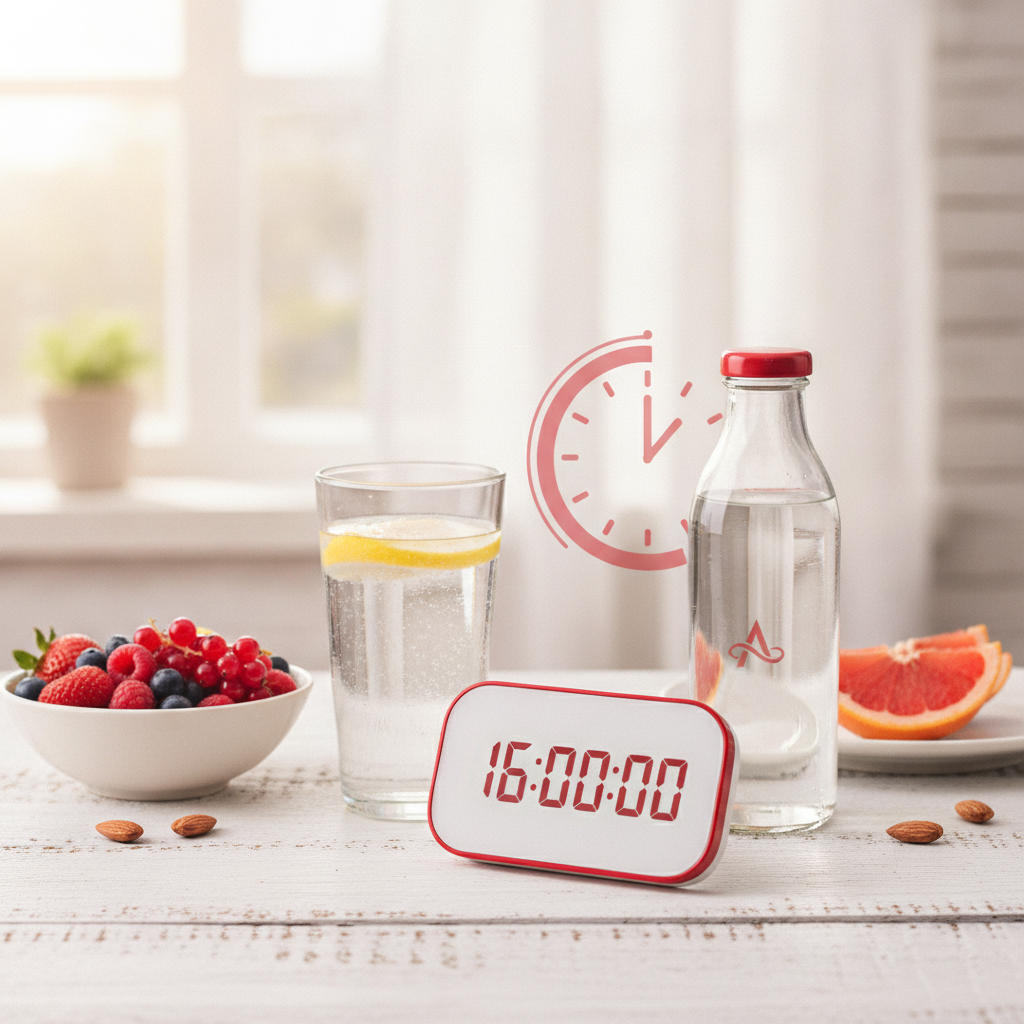
Autophagy fasting sits at the intersection of legitimate cell biology and aggressive internet marketing. Autophagy—literally “self-eating”—is a cellular recycling process that helps clear damaged proteins and organelles. Fasting and nutrient scarcity can influence pathways related to that process. Those two sentences are true. What often follows online—precise countdown clocks, guaranteed longevity from a single protocol, dry fasting autophagy miracles—is where evidence thins and risk thickens.
This guide explains what autophagy and fasting share in research language, why consumer “autophagy timers” overclaim, how to practice fasting for metabolic health without pseudoscience, and when longer fasts are and are not justified.
Autophagy in Plain Language
Cells continuously remodel themselves. Autophagy packages worn-out components into structures that lysosomes can break down and recycle. The process is regulated by nutrient and energy sensors—pathways involving mTOR, AMPK, and related signaling that respond to feeding, fasting, exercise, and stress.
When nutrients are abundant, growth signaling tends to dominate. When nutrients are scarce, cleanup and conservation programs become more active in many experimental systems. That is the mechanistic bridge behind autophagy fasting interest.
Important nuance: autophagy is not a light switch that flips only during a special cleanse. Basal autophagy occurs in fed states too. Fasting may upregulate aspects of the process; sleep, exercise, and protein distribution also influence the broader remodeling environment. Treating autophagy as a weekend hobby you “turn on” at hour sixteen misunderstands biology.
What Research Suggests About Fasting and Autophagy
Much foundational autophagy work comes from cell and animal models. Those models are invaluable and not automatically identical to healthy humans checking a smartwatch. Human evidence on exact fasting durations required for meaningful autophagic flux in specific tissues remains incomplete and context-dependent. Muscle, liver, and immune cells do not necessarily share one universal timer.
What you can say responsibly:
- Nutrient deprivation and fasting influence cellular recycling pathways.
- Repeated metabolic stress from overfeeding and inactivity may impair healthy remodeling over time.
- Lifestyle patterns that avoid constant snacking, support circadian rhythm, include exercise, and maintain protein quality create a better environment for cellular maintenance than chaos eating.
- Extreme protocols marketed solely for autophagy often outrun the data and understate risk.
Autophagy fasting as a phrase should mean “using intermittent or therapeutic fasting as one lever among several for metabolic and cellular health,” not “I will suffer until a chart turns green.”
The Problem With Autophagy Timers and Marketing Clocks
Search interest in a fasting app that shows autophagy reflects a desire for certainty. Apps and graphics that claim “autophagy starts at 16 hours” or color-code magical phases are storytelling devices. They are not biopsies of your hepatocytes.
Different tissues, ages, diets, training statuses, and prior metabolic health change responses. A habitual high-sugar grazer and a adapted time-restricted eater do not enter identical states at the same clock time. Ketone levels, useful for some contexts, are not a perfect autophagy meter either.
If a tool helps you stick to a healthy fasting window, use it as a habit timer. Do not confuse motivational UX with molecular proof. Easy Fast focuses on accurate fasting duration, reminders, and history rather than pretending to display real-time autophagy biology. Your logs stay on device with no analytics; optional food photo analysis via OpenAI or Gemini is only used if you choose it.
Dry Fasting Autophagy Claims
Dry fasting—abstaining from both food and water—appears in dramatic autophagy narratives. Water deprivation adds medical risk: kidney stress, blood pressure instability, electrolyte chaos, and cognitive impairment. Whatever speculative autophagy upside people attach to dry fasting autophagy content does not justify unsupervised water restriction for ordinary health optimization.
For nearly all readers seeking metabolic benefits, wet fasting—water allowed—is the appropriate frame. Hydration supports the very organ systems you are hoping to treat kindly. Skip dry fasting challenges.
Practical Fasting Protocols Without the Mystique
If your real goals are better insulin dynamics, appetite structure, body composition, and sustainable energy, these protocols matter more than autophagy brand identity.
Daily 14:10 or 16:8
Repeated overnight-centered fasts reduce grazing and give metabolism daily contrast. This is the highest-adherence autophagy-adjacent practice for most busy adults because you can keep it for months.
Occasional 24-Hour Fast
A periodic longer gap may deepen metabolic rest for experienced fasters. It is optional. Refeeding skill matters.
Exercise Plus Feeding Rhythm
Resistance training and zone-two cardio influence cellular remodeling pathways. Fasting without movement leaves benefits on the table.
Protein Distribution
Chronically inadequate protein is not a clever autophagy hack; it can escalate frailty risk. Healthy remodeling includes having amino acids available in eating windows to rebuild what cleanup frees up.
How Long Should You Fast “for Autophagy”?
There is no responsible universal answer like “exactly 17 hours.” Better questions:
- What fasting duration can I sustain without disordered patterns?
- Is my sleep intact?
- Am I maintaining strength?
- Are medical conditions supervised?
- Am I avoiding constant late-night eating?
Many people will gain more from six months of consistent sixteen-hour overnight fasts than from sporadic 48-hour pushes inspired by autophagy scare charts. Longer supervised therapeutic fasts exist in clinical contexts; they are not default consumer homework.
If you enjoy occasional deeper fasts and tolerate them well, schedule them intentionally with electrolyte awareness, light activity only, and a gentle refeed. Do not stack duration for social media proof.
Signs You Are Chasing Autophagy Unhealthily
- Escalating fast length every week to chase “deeper cleanse”
- Fear of eating nutritious meals because they might “turn off” benefits
- Pride in symptoms like dizziness or brain fog
- Neglect of strength training and protein
- Secrecy or anxiety around meals
- Refusal of medical advice because a podcast disagreed
Autophagy interest should increase care for your future body, not contempt for your present hunger signals.
Food, Feeding Windows, and Cellular Health
Breaking fasts with ultra-processed sugar storms is a contradiction if cellular health is your story. Emphasize:
- Protein for repair
- Plants for polyphenols and fiber
- Adequate micronutrients
- Minimal constant snacking
Some research discussions connect polyphenol-rich diets and exercise with pathways overlapping metabolic health narratives that also include autophagy. Again, the theme is pattern quality, not a single hero protocol.
Coffee during wet fasts is a personal tolerance issue; black coffee is commonly used and distinct from dry fasting. Listen to stomach and sleep responses.
Heat exposure, cold plunges, and other hormetic hobbies sometimes get bundled into autophagy fasting marketing. Occasional sauna or cold exposure may have independent effects for some people, but stacking every stressor at once while undereating is how recovery fails. If you add environmental stressors, keep fasting duration moderate and monitor sleep and training quality the following day. Cellular cleanup stories do not exempt you from recovery arithmetic. When in doubt, subtract a stressor before adding another—and keep drinking water.
Tracking What You Can Actually Track
Track fasting start and stop, weekly adherence, training loads, resting energy, mood, and clinician-ordered labs when relevant. Those are observable. Autophagy flux in your left deltoid is not available on a home dashboard.
The Easy Fast app gives you a precise timer and private history so consistency is visible. That is the honest use of technology in autophagy fasting culture: measure the behavior, not a fictional cellular score.
Putting Autophagy Fasting in a Sane Hierarchy
- Sleep regularly.
- Move most days; lift weekly.
- Eat protein and plants in defined windows.
- Use intermittent fasting if it helps adherence and metabolic goals.
- Consider longer fasts rarely and cautiously if at all.
- Ignore dry fasting hype.
- Reassess annually with health markers, not with influencer graphics.
That hierarchy will outperform purity contests for almost everyone who currently obsesses over autophagy timers.
Autophagy Fasting Versus Everyday Metabolic Health Goals
Many readers arrive at autophagy fasting content wanting longevity, disease prevention, or a feeling of purity. Those aims are understandable. Operationally, the highest-probability behaviors still look ordinary: do not smoke, walk often, lift something heavy, sleep enough, keep waist circumference in a healthier range, manage blood pressure and glucose with clinician partnership, and avoid perpetual snacking.
Intermittent fasting can support several of those aims by simplifying intake and improving insulin dynamics for some people. Framing every fast as an autophagy ritual tends to produce brittle behavior—skipping social meals for theoretical cellular points, or extending fasts after minor dietary “mistakes” as penance. Reframe: you are practicing metabolic contrast and appetite skill. Autophagy biology may be part of the background benefit set; it does not need to be the scoreboard.
If longevity is truly the North Star, ask whether your fasting practice leaves you stronger at sixty than at thirty-five. Protocols that shrink muscle, isolate you socially, or fragment sleep are poor longevity tools regardless of how impressive their autophagy branding looks on a podcast thumbnail.
Designing a 30-Day Experiment Without Fake Metrics
Day 1–7: Adopt 14:10 or 16:8 with water fasting only—no dry fasting. Track adherence, sleep hours, mood (simple 1–5), and workout quality.
Day 8–21: Hold the same window. Improve break-fast protein and vegetable density. Add two strength sessions weekly if not already present.
Day 22–30: Decide whether to continue, widen, or—only if recovery is excellent and medical context allows—add a single longer fast later as a separate experiment, not as week-four punishment.
Success criteria: adherence above eighty percent, stable or improved training, no escalating food anxiety, and subjective energy that is at least neutral. Fail criteria: obsession, dizziness culture, sleep collapse, or strength loss. Notice that none of these criteria require a fasting app that shows autophagy. They require honesty about livable health behavior. Keep a short written log for the thirty days; memory romanticizes misery and erases quiet wins, which is how people quit protocols that were actually working. Share the experiment parameters with a clinician if you have metabolic disease—autophagy curiosity should never outrank medical supervision.
Frequently Asked Questions
What is autophagy fasting?
Autophagy fasting refers to using fasting in hopes of encouraging cellular recycling processes associated with autophagy. Fasting can influence related pathways, but consumer claims about exact start times are oversimplified. Focus on sustainable fasting and overall lifestyle quality.
How are autophagy and fasting connected?
Nutrient scarcity signaling during fasting can upregulate aspects of cellular cleanup in experimental systems. Human timing and tissue specificity are less certain than social media charts suggest. Autophagy and fasting are related without being a simple countdown.
Is dry fasting autophagy safer or more effective?
No. Dry fasting adds dehydration risks that are unnecessary for ordinary metabolic goals. Prefer hydrated fasting if you fast at all. Dry fasting autophagy content is a red flag for hype over safety.
Do I need a fasting app that shows autophagy?
You need accurate timing if you use fasting as a habit. Claims that an app displays true autophagy status are marketing. Use a timer for adherence—Easy Fast does that—without expecting molecular telemetry.
How long should I fast to get autophagy benefits?
There is no precise universal hour marker validated for all humans and tissues. Consistent time-restricted eating plus exercise and sleep is a more evidence-aligned strategy than chasing extreme durations for a branded effect.
Can beginners practice autophagy fasting?
Beginners should start with basic intermittent fasting such as 12:12 or 14:10 for structure and metabolic health, not with multi-day fasts sold as autophagy accelerators. Build tolerance and rule out medical contraindications first.
Does eating turn autophagy off permanently?
No. Feeding and fasting naturally cycle. Healthy bodies are built for both cleanup and rebuilding. Chronic undereating to keep autophagy “on” is a misunderstanding that can harm muscle, hormones, and mental health.
Autophagy fasting is most useful when it reminds you to stop grazing and respect recovery biology—and least useful when it becomes a stopwatch religion. Practice sustainable fasting, train, sleep, eat protein, stay hydrated, and treat cellular health as a long game. For honest timing without fake autophagy scores, use Easy Fast and measure the part you can control: showing up for the window you chose.