Best Way to Fast and Lose Weight: A Practical Evidence Guide
Discover the best way to fast and lose weight with sustainable schedules, protein-forward meals, training tips, tracking, and realistic fat-loss expectations.
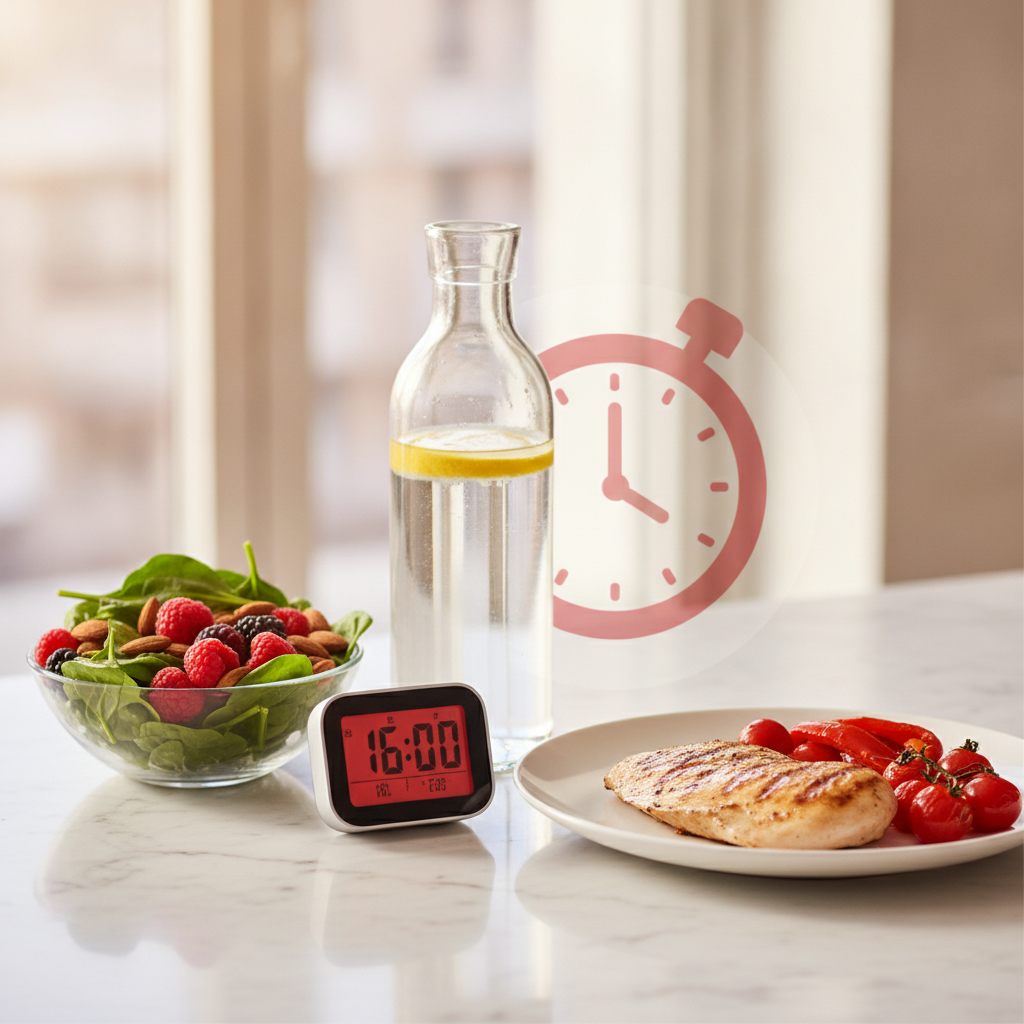
Searching for the best way to fast and lose weight usually means you have already tried something that felt too hard, too confusing, or too dependent on willpower. Intermittent fasting can be an outstanding fat-loss framework because it simplifies when you eat and often reduces passive snacking. It fails when people treat the timer as a magic switch and ignore energy balance, protein, sleep, and training.
This guide defines what “best” actually means for weight loss: sustainable adherence plus a modest calorie deficit plus muscle-preserving habits. You will compare popular fasting schedules for fat loss, learn how to structure meals inside your window, understand the role of low-carb approaches without dogma, and build a tracking system that keeps weekends from quietly erasing weekday progress.
What “Best” Means for Fasting and Fat Loss
The best way to fast and lose weight is the protocol you can follow for twelve or more consecutive weeks while preserving lean mass, sleep quality, and social functioning. That definition rules out extreme water fasts as a default fat-loss method for most people. Dramatic short-term scale drops from glycogen and water are not the same as sustainable adipose tissue loss.
Energy balance still governs fat loss. If your eating window contains more calories than you expend over time, you will not lose fat regardless of fasting hours. Fasting helps many people create a deficit by limiting opportunities to eat. It is a behavioral multiplier, not a bypass of thermodynamics.
Muscle preservation separates healthy recomposition from “skinny-fat” disappointment. Adequate protein, progressive resistance training, and avoiding chronic severe deficits keep metabolism and physique outcomes better. The best fasting plan for weight loss therefore includes training and protein targets, not only a clock.
Adherence kinetics matter. A sixteen-hour fast followed five days per week for three months outperforms an eighteen-hour schedule abandoned after nine days. Choose the easiest effective intensity, then progress. That is the same logic used in strength programming, and it belongs in fat-loss programming too.
Compare Fasting Schedules for Weight Loss
12:12 and 14:10 reduce late-night calories and improve routine for beginners. They are excellent on-ramps and sometimes sufficient when evening snacking was the main surplus driver. If your mornings and evenings already stay clean, you may need a tighter window for a meaningful intake reduction.
16:8 is the best default for many adults seeking fat loss. An eight-hour eating window typically means two or three meals without constant grazing. Examples: 12:00 p.m. to 8:00 p.m., or 10:00 a.m. to 6:00 p.m. Earlier windows can support circadian rhythm and reduce night eating. Later windows can protect social dinners. Pick based on your calendar, then keep it stable.
18:6 and 20:4 can further compress intake for intermediate fasters who already handle 16:8. They are not automatically superior. Some people overeat in short windows; others under-eat protein and lose more muscle. Use longer fasts only when they improve adherence or spontaneously reduce surplus calories without binge nights.
Alternate-day and prolonged fasting can create large deficits but raise dropout, social friction, and medical risk profiles. For fat loss, daily time-restricted eating is usually the superior lifestyle design. Reserve aggressive protocols for supervised contexts rather than as your main best-way strategy.
Best time of day to fast for weight loss often means fasting overnight and through the morning, then eating earlier rather than late. Many people lose fat more easily when the kitchen closes three or more hours before bed. Experiment for two weeks with an earlier cutoff if late eating is your weakness.
Build Meals That Make the Deficit Feel Livable
Protein should be the center of your fasting weight-loss plate. A practical target for many active adults is roughly 1.6 to 2.2 grams of protein per kilogram of goal body weight, adjusted for medical conditions and clinician guidance. High protein increases satiety and protects muscle during a deficit.
Fill the rest of the plate with high-volume plants, modest starches sized to activity, and fats for flavor without unbound calorie density. Examples of strong break-fast meals include Greek yogurt with berries and eggs on the side; tofu stir-fry with vegetables and rice; salmon, potatoes, and salad; or chicken, beans, and salsa bowls. Ultra-processed desserts and caloric drinks can fit occasionally, but they are easy to overshoot in a short window.
Fasting and low carb can work together because both reduce appetite for some individuals. You do not must go keto to lose fat with intermittent fasting. If carbohydrate reduction helps you stop snacking and control blood sugar, use it as a tool. If low carb worsens training and mood, keep carbs around workouts and maintain the fasting schedule. The combination should serve adherence.
Calorie awareness without obsessive tracking works for many people: fix meal templates, reduce liquid calories, and keep desserts bounded. Others need a few weeks of logging to learn portions inside a compressed window. Either way, weekly average intake beats daily perfection.
Training, Steps, and Recovery Amplify Fasting Results
Resistance training two to four days weekly signals your body to keep muscle while fat stores decline. You do not need exhausting programs. Compound movements, progressive overload, and enough recovery outperform random high-rep burnout. If you train fasted, monitor performance. Many lifters prefer placing workouts inside or near the eating window for strength sessions.
Daily walking is underrated fat-loss leverage. Eight thousand to ten thousand steps, or a clear increase above your baseline, raises expenditure without battering recovery. Fasted morning walks pair naturally with delayed eating schedules and can reduce urge-driven kitchen trips.
Sleep is a fat-loss drug you cannot buy. Short sleep increases hunger, reduces restraint, and worsens training quality. Protect a consistent bedtime as seriously as your fasting window. Manage stress with walks, social connection, or deliberate downtime; cortisol chaos plus aggressive deficits is a relapse recipe.
Alcohol deserves special mention. It adds energy, lowers dietary restraint, fragments sleep, and often expands the eating window. If fat loss is the priority phase, reduce drinking frequency. That single change improves both fasting consistency and calorie control.
Track Honestly and Avoid Common Fat-Loss Traps
The scale lies daily because water, glycogen, sodium, and hormones move faster than fat tissue. Weigh weekly averages, measure waist, track how clothes fit, and monitor strength. If all metrics stall for three weeks while adherence looks perfect, adjust either intake or expenditure slightly, not both aggressively.
Common traps include weekend overeating that cancels a weekday deficit, cream-filled coffees during the fast, “clean” calorie bombs like large nut portions, and extending fasting so far that dinner becomes an unsupervised binge. Another trap is comparing your rate of loss to dehydrated transformation photos online. Sustainable fat loss often averages about 0.25 to 0.75 percent of body weight weekly depending on starting point, with slower rates preferable for lean individuals.
Tracking fasting hours prevents silent schedule drift. The Easy Fast app shows completed fasts, streaks, and timing at a glance. Data stays on your device with no analytics package profiling your health behavior. If you optionally analyze a food photo, that request goes to OpenAI or Gemini only when you initiate it; the fasting log itself remains local. That privacy posture matters when your weight-loss journey includes sensitive health routines.
A Four-Week Blueprint for the Best Way to Fast and Lose Weight
Week one: choose 14:10 or 16:8, set a fixed kitchen close time, raise protein at each meal, and walk daily. Do not chase a tiny scale victory. Celebrate completed fasts.
Week two: tighten food environment, replace liquid calories, lift twice, and review Easy Fast history for missed days. Adjust window timing if social friction is high.
Week three: refine portions if weight average has not moved and adherence exceeded eighty percent. Add one hard training session quality focus. Keep sleep schedule stable.
Week four: decide whether to maintain the schedule for another month or progress fasting length by one hour. Only progress if hunger is manageable and training holds. If weekends remain chaotic, fix weekends before lengthening weekday fasts.
After month one, reassess body measurements and energy. Continue as long as the protocol remains socially livable. The best way to fast and lose weight is rarely a forever extreme. Many people transition to a maintenance eating window after reaching a goal, then return to a tighter deficit phase later. Think in seasons.
When you need a simple companion for the plan, use Easy Fast from the App Store. One-tap timing removes friction so your willpower can go toward grocery choices and bedtime, not clock math.
Mindset and Plateaus on a Fasting Fat-Loss Plan
Plateaus are not proof that fasting stopped working. They often reflect water retention after harder training, higher sodium meals, menstrual cycle shifts, missing weekend data, or a deficit that shrank as body weight fell. Before abandoning a schedule that you can actually follow, audit the boring variables for fourteen days: protein grams, step counts, liquid calories, sleep duration, and true eating-window length.
Psychological framing also determines whether a plan survives month three. Treat fasting as a default calendar setting rather than a punishment for yesterday’s choices. If you break a fast early, resume at the next meal without compensatory starving. Revenge restriction predicts rebound eating. Identity language helps: you are a person who closes the kitchen on time and lifts twice a week. That identity outlasts motivational spikes from social media transformations.
Social eating can coexist with fat loss when you plan windows around recurring dinners and keep alcohol bounded. Order protein-first meals, eat slowly, and decide in advance whether dessert is worth it tonight. The goal is not monastic isolation. The goal is a weekly energy average that trends downward while life remains enjoyable enough to continue.
Environmental design beats heroic restraint. Keep high-protein leftovers visible, move candy out of eye line, pre-portion calorie-dense snacks, and set Easy Fast reminders for window open and close. Privacy-friendly tracking reduces shame spirals because your history lives on your phone, not on a public leaderboard. That calm feedback loop is ideal for multi-month fat loss.
Frequently Asked Questions
What is the best way to fast and lose weight for beginners?
Start with 14:10 or 16:8, eat high-protein meals in your window, walk daily, lift weights two or more times per week, and keep a modest calorie deficit. Consistency for eight to twelve weeks beats aggressive protocols you abandon.
Is fasting to lose fat better than calorie counting alone?
Fasting is a structure that often makes calorie control easier. Some people still benefit from short-term logging. The winners combine a sustainable fasting schedule with awareness of total intake, not ideology about which tool is morally superior.
Does keto and fasting burn fat faster?
Ketogenic diets and fasting can both reduce appetite and drop water weight quickly. Faster scale movement is not always faster fat loss. Choose low carb only if it improves adherence and well-being. Many people lose fat successfully with balanced macros inside intermittent fasting.
What is the best time to fast to lose weight?
Overnight fasting plus morning delay works well for many adults, especially if night snacking was the problem. Ending intake earlier in the evening often improves sleep and reduces surplus calories. Match the window to your life so adherence stays high.
Can menopause and fasting still support fat loss?
Yes for many women, with extra attention to protein, resistance training, sleep, and stress. Hormonal transitions can change hunger and recovery. Flexible windows and medical guidance matter more than copying twenty-year-old influencer protocols.
How does a fasting app help with weight-loss adherence?
Apps make schedule drift visible and reinforce streaks. Easy Fast keeps that process lightweight and private with on-device storage and no analytics. You spend seconds logging and hours living, which is the right ratio for fat-loss psychology.
How fast should the scale move?
A realistic range for many people is roughly 0.25 to 0.75 percent of body weight per week, with interruptions from water retention. If loss is dramatically faster for weeks, check whether muscle, sleep, or binge-restrict cycles are part of the picture and soften the deficit.
Fat loss rewards systems over spurts. Choose a fasting window that fits your evenings, build protein-forward meals, move your body, sleep hard, and track the hours you actually fast. That combination, repeated for months, is the best way to fast and lose weight for most real humans living real weeks.