Bone Broth During a Fast: Dirty Fasting, Electrolytes, and Rules
Can you drink bone broth during a fast? Learn how broth affects dirty vs clean fasting, electrolytes, hunger, and when broth helps or breaks your protocol.
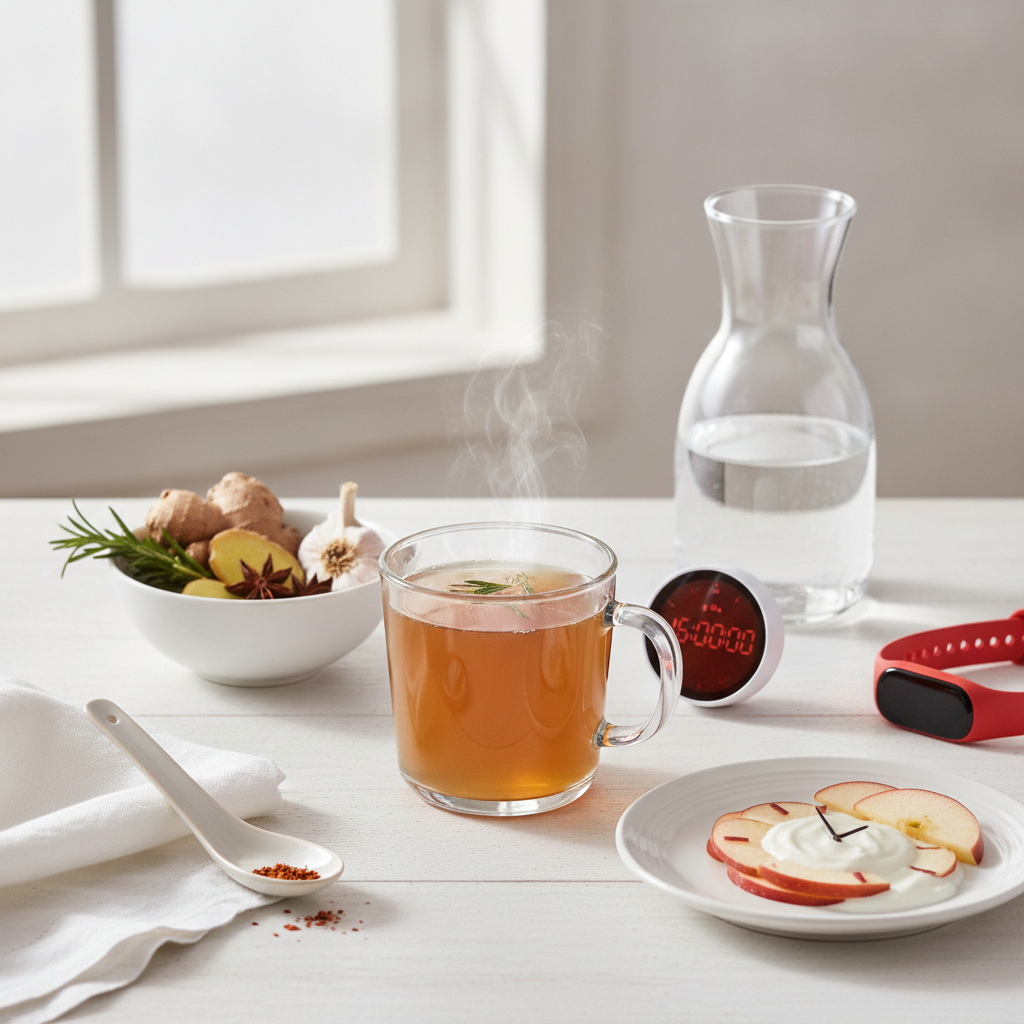
Bone broth during a fast sits at the center of one of intermittent fasting’s liveliest arguments. One camp says any calories break a fast, end of story. Another camp says a cup of broth is a practical tool that preserves “the spirit” of fasting — appetite control, easier longer windows, electrolyte support — especially for people who would otherwise quit.
Both camps are partly right, and both get sloppy with language. Whether bone broth during a fast is acceptable depends entirely on how you define the fast: metabolic cleanliness, autophagy goals, weight-loss adherence, or religious rules. This guide unpacks those definitions, explains the dirty fasting debate, covers electrolytes, and gives you clear decision rules so you are not improvising guilt at 11 a.m.
Does Bone Broth Break a Fast?
Strictly speaking, yes — if your definition of fasting is zero caloric intake. Bone broth contains calories from protein (and sometimes fat), typically on the order of tens of calories per cup depending on concentration and brand. Protein stimulates insulin and amino acid signaling to some degree. By the clean-fast academic definition used in many research settings, bone broth during a fast breaks a water-only or black-coffee-only fast.
Practically speaking, many intermittent fasters still use broth as a tool on longer fasts or tough days because the caloric load is small relative to a meal, hunger drops, and sodium content can ease lightheadedness. That practice is usually labeled dirty fasting — fasting with minor caloric intakes that would not qualify as a pure fast.
So the accurate answer to “can I drink bone broth during a fast?” is: not if you need a clean fast; possibly if you intentionally choose dirty fasting for adherence or comfort. Decide which game you are playing before you pour the mug.
Clean Fasting vs Dirty Fasting
Clean fasting typically allows water, plain black coffee, and unsweetened tea — sometimes electrolytes with negligible calories. The goal is minimizing insulin and caloric signals.
Dirty fasting allows small calorie sources: bone broth, a splash of milk, diet products with debate, butter coffee, or similar. Goals often shift toward appetite management and “close enough” windows for weight loss.
Dirty fasting is not morally dirty. It is a different protocol. Problems arise when people claim clean-fast benefits — maximal autophagy claims, strict research equivalence — while consuming broth daily, or when dirty calories quietly grow from one cup to three creamy bowls.
If fat loss is your primary aim and broth keeps you inside a long window instead of a binge sandwich, dirty fasting with bone broth can still create a weekly calorie deficit. If you are chasing the strictest metabolic definition for a short specialized fast, skip broth until the eating window.
Bone Broth, Protein, and Hunger
Bone broth is mainly protein in a warm, savory liquid. Warm volume alone can soothe hunger through stomach fullness and ritual. Sodium and other minerals may help people who feel drained several hours into a fast, especially if they drink a lot of plain water and eat low-sodium diets when they do eat.
The trade-off: amino acids are not “free” metabolically. They provide energy substrate and signaling. For most 16:8 practitioners, water and coffee are enough; hunger waves pass. Broth is more commonly useful for:
- Transition days into longer fasts (18:6, 20:4, 24-hour wet fasts)
- People experiencing headaches that improve with sodium
- Modified fasting days (5:2 or ADF) where calories are allowed and broth is an efficient budget choice
- Cold weather adherence when a warm mug prevents a reckless snack
Store-bought bone broth varies wildly. Check labels for calories, protein, and sodium per cup. Some cartons are dilute; some are richer. Homemade broth intensity varies with simmer time and bones used. Measure once so dirty fasting remains intentional, not accidental.
Electrolytes During Fasting: Where Broth Fits
Electrolytes — sodium, potassium, magnesium — matter more as fasts lengthen, sweat increases, or carbohydrate intake drops. Symptoms of imbalance can include lightheadedness, weakness, muscle cramps, and feeling wiped out.
Bone broth provides sodium and small amounts of other minerals depending on the recipe. That is one reason people reach for broth during a fast instead of only water. However, broth is not the only tool:
- Electrolyte packets or tablets with minimal or zero calories
- A pinch of salt in water (simple, dirty-or-clean depending on strictness)
- Magnesium supplementation timed with clinician advice if needed
- Eating mineral-rich foods in the eating window so daily fasts do not require constant rescue
For standard 16:8 wet fasting, many people need nothing beyond normal meals and water. Do not medicalize a daily eating window with endless broth sipping unless symptoms suggest a real need — and discuss persistent symptoms with a clinician rather than endlessly self-escalating DIY fixes.
People with hypertension, kidney disease, or sodium-restricted diets must be careful with high-sodium broth. “Electrolytes good” is not universal advice.
Practical Rules for Using Bone Broth During a Fast
Use this decision framework:
- Goal = strict clean fast / short research-like protocol: No bone broth. Water, black coffee, tea only.
- Goal = weight loss adherence on tough days: Optionally allow 1 cup of broth, log the calories mentally or actually, and do not cascade into food.
- Goal = modified fasting day with a calorie budget: Broth can be an excellent low-calorie savory tool within 5:2 or ADF budgets.
- Goal = religious fast: Follow the rules of your tradition; commercial wellness advice does not override them.
- Rule of diminishing returns: If you need multiple cups to white-knuckle every 16:8 day, fix meal protein, sleep, and window timing instead of living on dirty fasting props.
Portion tip: pour a measured cup, sit down, drink slowly, wait twenty minutes. Often the hunger wave ends. If you immediately want solid food anyway, broth delayed the break by minutes — consider opening the eating window on purpose rather than pretending.
Track the rest of the protocol either way. The Easy Fast app keeps your start and stop times clear so you know whether broth happened mid-fast or inside an intentional eating window. History remains on your device — helpful when you are experimenting with dirty versus clean rules and want private notes of what you actually did.
How to Break a Fast After Using Broth — and When Broth Is the Break
If you drank bone broth, you already introduced calories. In a clean-fast sense, the fast is broken. In a dirty-fast sense, you may continue until your planned window, then eat a normal first meal with protein and plants.
Whether or not broth was used, avoid breaking a longer fast with a massive greasy feast. Start with something digestible and protein-forward. Broth can also serve as a gentle first step into an eating window for people who feel better warming up digestion with liquid before a solid plate — that use sits clearly in the eating window and avoids debate.
Common Mistakes Around Bone Broth and Fasting
Calling a creamy bone broth latte a fast. Butter, oils, and heavy add-ins turn broth into a meal replacement. Label it as food.
Sipping broth all day without counting. Dirty fasting calories accumulate. Three cups may approach a small meal.
Using broth to avoid eating enough in the window. If days are busy, people sometimes “fast” on broth and underfuel training and hormones. Intermittent fasting still requires proper meals when open.
Ignoring sodium limits. More broth is not always more helpful.
Stacking dirty fasting with vague goals. Write whether this week is clean or dirty. Ambiguity creates Instagram arguments with yourself.
No timing log. Without a tracker, soft breaks blur into constant grazing. Easy Fast keeps the official start time honest even when your broth philosophy is flexible.
Health and Safety Notes
Bone broth is a food. Allergies, histamine sensitivity, and store-bought additives matter for some people. Those with medical conditions affecting protein metabolism or sodium balance should ask a clinician before using broth as a fasting crutch. Prolonged fasting beyond intermittent daily windows deserves more caution overall — broth does not make a 72-hour self-experiment automatically safe.
Pregnant people and those with eating disorder histories should not use fasting-plus-broth rules without professional guidance. Tools that delay meals can become unhelpful in the wrong context.
Choosing a Broth If You Use One
If you decide bone broth during a fast fits your dirty-fasting rules, pick product quality deliberately. Look for transparent nutrition labels, a protein amount you expect per cup, and sodium you can tolerate. Avoid cartons that hide calories behind sweetened flavors or creamy additives. Homemade broth lets you control intensity: a long simmer yields a richer, higher-calorie liquid than a short stock. Freeze portions in one-cup containers so dirty fasting stays portion-controlled instead of open-pot sipping.
Vegetarian fasters sometimes use mushroom or vegetable broth for warmth and sodium. Those still contain calories if ingredients are substantial, so the same clean-versus-dirty logic applies. Flavor alone does not grant a free metabolic pass.
Pair any broth strategy with a strong eating-window plan. Broth should never become a substitute for lunch and dinner day after day. Intermittent fasting works best when fasting hours are clear and eating hours are nourishing — not when the whole day dissolves into ambiguous sips that leave you underfed, under-recovered, and unsure whether you are still fasting at all.
Frequently Asked Questions
Does bone broth during a fast break autophagy?
Likely yes to some degree relative to a pure water fast, because protein intake influences pathways related to growth signaling. Exact human thresholds are debated and often overstated online. If autophagy maximization is your stated goal for a specific fast, skip broth. If weight loss adherence is the goal, dirty fasting trade-offs may still be acceptable.
How many calories are in bone broth during a fast?
It depends on brand and concentration — often roughly 30–80+ calories per cup. Read your label. Homemade broth can be higher. Measure rather than guess if you care about dirty fasting precision.
Is bone broth better than electrolytes powder while fasting?
Different tools. Broth offers savoriness and some minerals with calories. Zero-calorie or near-zero electrolyte products support fluid balance with less impact on clean-fast definitions. Choose based on whether you are prioritizing clean fasting or comfort.
Can I drink bone broth on a 16:8 schedule?
You can, but most people do not need it for a sixteen-hour fast once adapted. Try mastering 16:8 with water and coffee first. Reserve broth for harder days or intentionally dirty fasting experiments so it remains a tool, not a dependency.
What about bone broth on 5:2 fasting days?
Excellent fit for many people. Fasting days already include calories; broth provides warm volume and sodium within the budget. Just account for the calories in your 500–600 target.
Does bone broth help with fasting headaches?
Sometimes, when headaches relate to sodium or habit caffeine changes — though coffee timing and hydration are other levers. Persistent or severe headaches are not something to self-treat endlessly with broth; evaluate sleep, caffeine withdrawal, and medical causes.
How should I track dirty fasting with bone broth?
Note the time you drank broth and keep your fasting timer consistent with your chosen definition. With Easy Fast, you can still run your schedule and review weekly patterns while data stays stored on your iPhone. Honesty in the log matters more than winning a purity contest.
Bone broth during a fast is a definition problem before it is a nutrition problem. Clean fasting excludes it. Dirty fasting can include a measured cup for hunger and electrolytes when that trade-off serves adherence. Know your goal, read the label, watch portions, and keep the rest of your intermittent fasting structure tight with balanced eating windows. For clear timing without cloud accounts, use Easy Fast to track your fasts on-device — then decide deliberately whether broth belongs inside your rules or only inside your eating window.