Dr Berg Fasting: Educational Themes on Ketosis and Electrolytes
An educational look at common Dr Berg–associated fasting themes—ketosis, electrolytes, and beginner pitfalls—plus how to track fasting safely yourself.
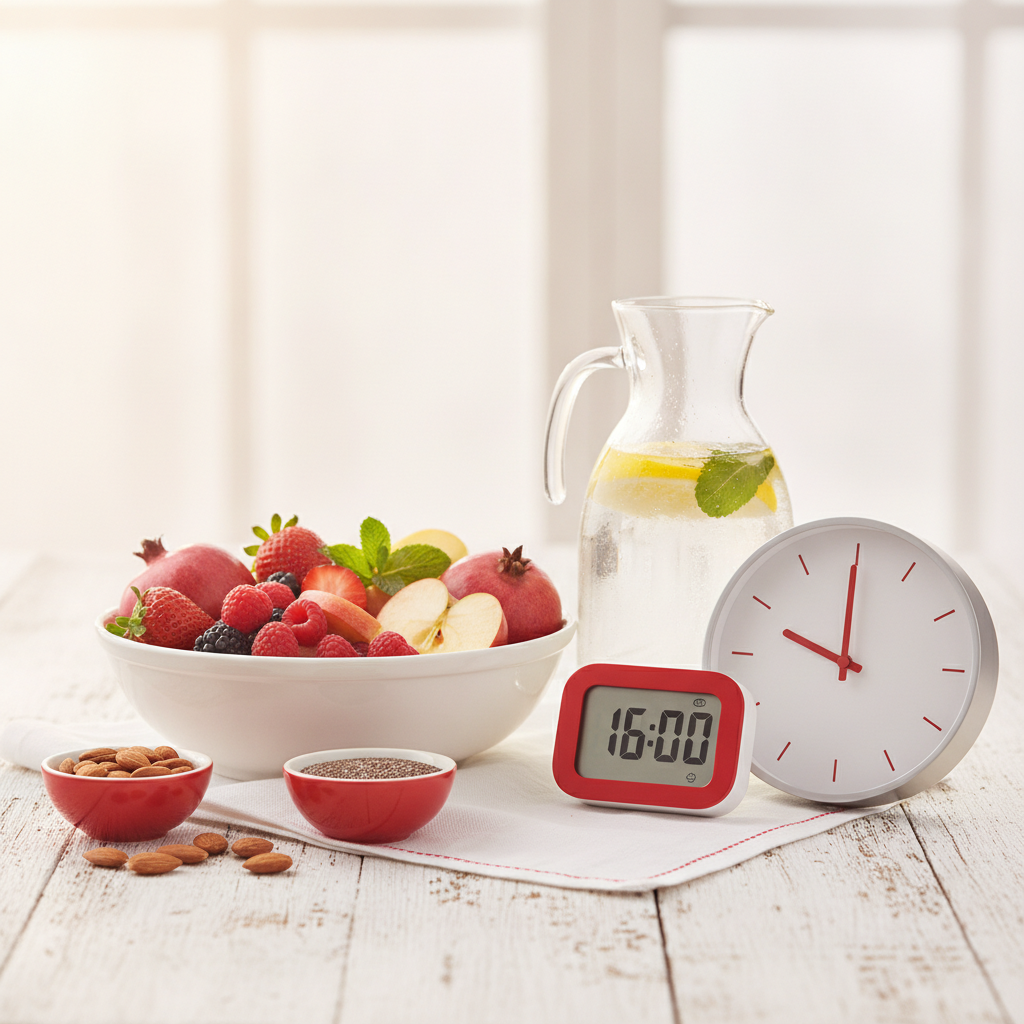
Search interest in “Dr Berg fasting” usually points to a cluster of ideas popularized across mainstream intermittent fasting education: getting into ketosis, managing electrolytes while you skip meals, understanding insulin, and avoiding beginner mistakes that make fasting miserable. This article covers those educational themes in plain language. It is not a transcript or rewrite of any proprietary Dr. Eric Berg program, product script, or paid course—and it is not medical advice. Think of it as a neutral explainer of topics people often explore after watching fasting educators, plus a practical way to apply them carefully.
When influencers and clinicians overlap in public teaching, concepts get mixed with branding. Your job is to separate useful physiology from one-size-fits-all prescriptions.
Why “Dr Berg Fasting” Comes Up in Searches
Dr. Eric Berg has been a highly visible online educator discussing ketogenic diets, intermittent fasting, and related metabolic ideas. Millions of searchers encounter his content first, then look for summaries of “what he says about fasting.” From a content perspective, the recurring themes tend to include: fasting as a tool related to insulin and fat burning, the role of ketones as alternative fuel, the importance of minerals (especially sodium, potassium, and magnesium) when carbs and meal frequency drop, and caution around common symptoms like headaches or fatigue in early adaptation.
None of those high-level themes are unique to one educator—they appear throughout fasting and low-carbohydrate literature. What differs is emphasis, metaphors, product ecosystems, and how strongly a viewer should personalize advice. Treat viral fasting education as a starting map, not as individualized care.
Ketosis Themes in Popular Fasting Education
Ketosis is a metabolic state in which the liver produces ketone bodies from fatty acids when carbohydrate availability and insulin signaling are low enough for that pathway to ramp up. Intermittent fasting can encourage higher fat oxidation and, especially as fasts lengthen or when carbohydrate intake is already low, measurable ketone production.
Educators who talk about “Dr Berg fasting” style topics often highlight that ketones can fuel the brain when glucose supply is reduced, and that many people subjectively report steadier energy after adaptation. Those experiences are real for some and unimpressive for others. Ketone presence is not a moral achievement or a universal proof of health.
Important nuances:
- Daily 16:8 fasting alone may produce only mild ketone elevation in carbohydrate-eating individuals.
- Combining fasting with very low carbohydrate intake typically raises ketones more.
- Higher ketones do not automatically mean faster fat loss; fat loss still depends heavily on energy balance over time.
- Medical ketogenic diets for epilepsy or other conditions are clinician-directed and not the same as lifestyle intermittent fasting.
If you chase ketone readings compulsively, step back. A sustainable schedule and adequate nutrition beat constant strip-testing for most lifestyle goals.
Electrolytes: The Theme Beginners Usually Need
A second major theme associated with popular fasting education is electrolytes. When you eat less often—or cut processed food and carbohydrates—you may excrete more sodium and alter fluid balance. Symptoms that get labeled “keto flu” or fasting flu (headache, lightheadedness, fatigue, cramps) sometimes relate to fluid and electrolyte shifts, caffeine changes, and calorie drops happening simultaneously.
Educational consensus across many coaches—not one brand—usually includes:
- Drink water regularly, but do not force gallons without minerals in context.
- Season food with salt during eating windows unless your clinician has restricted sodium.
- Include potassium-rich foods (leafy greens, avocado, yogurt, beans, potatoes depending on your diet pattern) when you eat.
- Consider magnesium food sources; supplement decisions belong with professional guidance because excess can cause issues.
Aggressive do-it-yourself high-dose electrolyte cocktails copied from videos can be inappropriate for people with kidney disease, hypertension strategies managed by physicians, or medication regimens. “More electrolytes” is not automatically safer.
If you feel faint, confused, or develop heart rhythm concerns while fasting, stop fasting and seek care. Educational themes are not triage protocols.
Insulin, Meal Frequency, and Educational Framing
Another recurring teaching cluster around fasting educators is insulin as a storage signal and frequent snacking as a modern habit that keeps insulin elevated more hours per day. Intermittent fasting reduces eating occasions, which for many people lowers average insulin exposure and snacking calories.
Useful takeaways that remain valid without buying any particular program:
- Constant grazing is optional, not mandatory for health.
- Protein- and fiber-forward meals inside a window often beat syrup-sweet “keto snacks” all afternoon.
- Fasting is one lever; food quality, sleep, and movement remain levers too.
Overclaims to watch for in any fasting content ecosystem: curing complex diseases via fasting alone, one secret mineral ratio that fixes everyone, or implying that medical supervision is weakness. Good education empowers questions for your own clinician; it does not replace labs and context.
Practical Fasting Structure Inspired by Common Beginner Advice
Synthesizing widely taught beginner themes (again, general—not a proprietary plan):
- Start with time-restricted eating, such as 12:12 then 16:8, before jumping to extreme daily windows.
- Keep fluids simple during the fast: water, and black coffee or tea if tolerated.
- Break the fast with real food—protein and vegetables—not a binge reward.
- Mind electrolytes through food first when symptoms appear during adaptation.
- Expect an adaptation week of hunger waves and irregular energy.
- Track the clock so your fasting window is real, not aspirational.
For step six, use a dedicated timer. The Easy Fast app is a simple fasting tracker with one-tap start/stop, schedule presets, history, and local on-device storage—privacy-focused so your fasting habit data is not the price of admission. Whether you arrived at fasting through any particular YouTube educator or a physician, the adherence tool can stay minimal and independent.
Separating Education From Merch and Tribe Thinking
Large educational brands often sit near supplements, books, and membership offers. That business model is normal and not automatically unethical—but it creates incentive bias. Evaluate fasting advice by checking: Does it encourage medical care for red flags? Does it admit individual variability? Does it obsess on products as mandatory? Does it scare you away from entire food groups without nuance?
You can appreciate teachings about ketosis and electrolytes while buying groceries, not branded bundles. You can ignore tribal internet fights between diet camps and still practice a calm 16:8 with salted meals and enough protein.
If a specific Dr Berg protocol, meal list, or product regimen is what you want, seek those materials from primary sources and discuss with your healthcare provider. This guide intentionally stays at educational themes so it remains useful without copying proprietary content.
Building Your Own Sensible Plan
Translate themes into a personal checklist:
- My fasting window is: ______
- My protein target per day is: ______
- My symptom abort rules are: ______
- My clinician is informed if I have conditions/meds: yes/no
- My tracker is installed and used: yes/no
Run this for four weeks. Adjust one variable at a time. If ketosis interest remains, you can discuss low-carbohydrate pairing with a professional—without assuming everyone who fasts must go very low carb.
A Neutral Take on Adaptation Symptoms
Popular fasting education often lists early symptoms and frames them as temporary adaptation. Some discomfort can indeed settle as meal timing stabilizes. Other symptoms are stop signs. Educational literacy means knowing the difference.
Often transient in healthy beginners during the first week of 16:8: mild hunger waves at old meal times, slight irritability, temporary coffee sensitivity changes, and uneven energy that improves with sleep and salt-aware meals.
Not “push through” territory: severe dizziness, fainting, chest pain, confusion, vomiting, signs of disordered restriction urgency, or any symptom that frightens you. End the fast, eat a balanced meal, and contact a medical professional when appropriate. No educator’s general video can triage your body in real time.
Hydration mistakes cut both ways. Under-drinking concentrates fatigue. Over-drinking plain water without food-context minerals can feel worse for some people mid-adaptation. The middle path taught across many educational sources—drink steadily, eat mineral-rich meals in the window, and seek clinical advice for supplement dosing—is more responsible than extreme protocols found in comment sections.
Applying Themes Without Losing Food Flexibility
Ketosis-interested fasters sometimes tighten carbohydrates aggressively while also shrinking eating windows. That double stress works for some and overwhelms others. You can practice intermittent fasting with Mediterranean-style meals, higher-carb training days, or mixed macros and still gain meal-timing structure. Electrolyte awareness still helps when processed food intake drops, because restaurant salt and packaged snacks are common sodium sources in modern diets.
A practical compromise week: 16:8 timing daily; protein and vegetables emphasized; starchy carbs placed around workouts; salted cooking; weekend social meal inside the window; no requirement to hit deep ketosis. That pattern captures much of the useful educational core—insulin quiet hours, fewer snacks, mineral awareness—without demanding proprietary food lists or supplement stacks.
Document what you ate and how you felt for fourteen days. If mornings improve and adherence is high, continue. If performance collapses, widen the window or raise fuel before blaming “lack of ketones.” Self-experiments beat tribe loyalty.
Remember that search trends around educators rise and fall, while the fundamentals stay boring and powerful. Time your meals. Eat enough protein. Respect electrolytes through food. Track your fasts privately. Ask clinicians personal questions that generic videos cannot answer. That sequence—more than any branded fasting identity—turns educational curiosity into a durable practice you actually own. Use educators for ideas, clinicians for risk, and your own tracked weeks for truth. When those three inputs disagree, privilege safety and personal data over persuasive video editing. Your fasting practice should still make sense if the algorithm never recommends another fasting video again tomorrow, next month, or next year.
Frequently Asked Questions
What do people usually mean by Dr Berg fasting?
They typically mean intermittent fasting advice associated with Dr. Eric Berg’s public educational content—often emphasizing insulin, fat burning, ketosis, and electrolytes—rather than a single universal medical protocol. Details vary across videos and products, so treat social summaries cautiously.
Do I need to be in ketosis for fasting to work?
No. Many people benefit from time-restricted eating while still eating moderate carbohydrates inside their window. Ketosis is one metabolic state, not the sole definition of a “successful” fast. Match methods to goals, preferences, and medical context.
Why are electrolytes mentioned so often with fasting?
Reduced meal frequency and lower carbohydrate intake can change fluid and sodium handling for some people, contributing to headaches, fatigue, or cramps during adaptation. Food-first mineral awareness helps; extreme supplementation should not be copied blindly—ask a clinician when you have medical conditions.
Is this article a Dr Berg fasting plan I can follow exactly?
No. It is an educational overview of common themes circulating around that search query, plus general intermittent fasting practicality. It does not reproduce proprietary programs. For a specific branded plan, consult primary materials and your healthcare provider.
Can I drink coffee while fasting on these popular approaches?
Most intermittent fasting definitions allow black coffee. Calories from cream, sugar, and syrups break a fast. If coffee worsens anxiety or sleep, reduce it regardless of any influencer’s personal routine.
How should I track progress if I learned fasting online?
Track fasting start/stop times, weekly adherence, energy, sleep, and how you eat in the window. Easy Fast stores timing history on your device for privacy. Add clinical metrics only with professional guidance—home ketone theater is optional, not mandatory.
Who should be careful with fasting regardless of YouTube advice?
People who are pregnant or breastfeeding, underweight, under eighteen, managing diabetes with certain medications, living with eating disorder history, or dealing with significant chronic illness should get personalized medical advice before fasting. Online education is not individualized care.
Curious searchers can pull lasting value from popular fasting educators by focusing on fundamentals—insulin quiet time, smart electrolytes, gradual schedules—while discarding hype and proprietary lock-in. Build a calm intermittent fasting practice, eat mineral-aware meals when the window opens, and keep your timer independent and private with Easy Fast. Themes educate; your consistent, safe habits deliver the results.