Fast Side Dishes for Intermittent Fasting Eating Windows
Quick, satisfying side dishes for intermittent fasting eating windows and refeeding meals—protein-friendly, fiber-forward, and easy to prep.
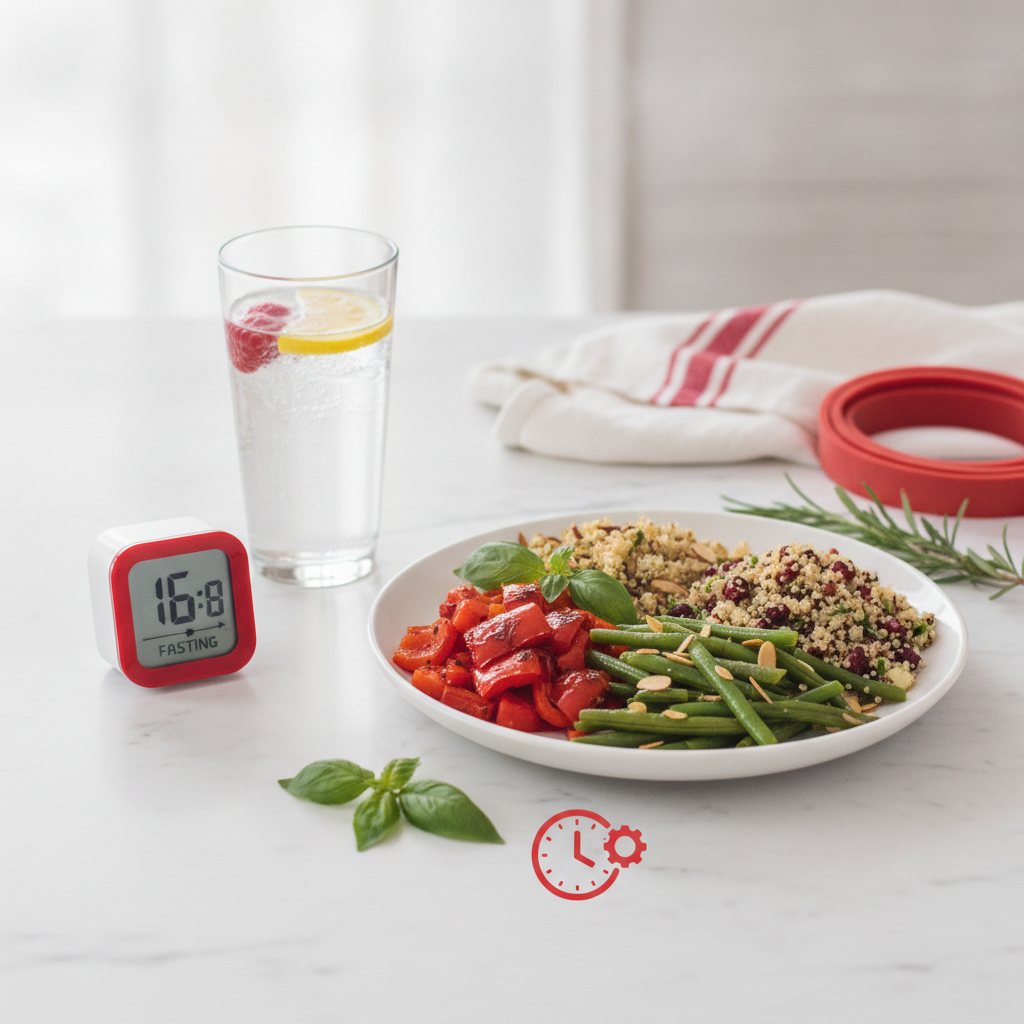
When your eating window finally opens, the main dish often gets all the attention—and the sides decide whether you feel satisfied, energetic, and ready for the next fast. “Fast side dishes” in the intermittent fasting sense does not mean deep-fried shortcuts that spike blood sugar. It means quick, nutrient-dense accompaniments you can assemble in minutes so refeeding meals stay balanced without turning into a snack binge.
As a fitness coach who programs nutrition around training and fasting windows, I see the same pattern: people break a sixteen-hour fast with a protein entrée, then fill the plate with either nothing (and get hungry an hour later) or chips and bread (and derail satiety). The middle path is intentional sides—vegetables, legumes, smart starches, and small fat-forward plates—that cook fast, store well, and support fasting goals.
Why Side Dishes Matter When You Are Intermittent Fasting
Compressed eating windows reduce the number of chances you have to hit protein, fiber, micronutrients, and electrolytes. If you eat two meals in eight hours, each plate has to work harder. Sides are the easiest place to add volume and nutrients without cooking a second elaborate entrée.
Fiber-rich sides slow digestion after a fast, which softens the blood sugar rise from your first carbs. Volume from vegetables increases satiety per calorie, which helps prevent overeating when hunger feels loud. Potassium-, magnesium-, and sodium-conscious sides (think leafy greens with a pinch of salt, roasted squash, avocado in measured amounts) support how you feel during the next fasting stretch more than most people expect.
Sides also solve the “I only have twelve minutes” problem. A grilled chicken breast alone is not a complete refeed. Chicken plus a two-minute cucumber yogurt salad and a bag of microwaved frozen broccoli is a complete plate. Speed and completeness can coexist.
Principles for Fast IF Side Dishes
Build sides around three jobs: add plants, add texture contrast, and add staying power. Plants cover micronutrients and fiber. Texture—crunch, creaminess, heat—makes simple proteins feel like a meal. Staying power comes from protein synergy (a bean salad beside fish), fat (olive oil dressing), or a modest complex carb (roasted potatoes) depending on your training day.
Keep prep under fifteen minutes whenever possible. Batch-cook twice a week so weeknight windows are assembly, not invention. Favor ingredients that survive fridge storage: roasted vegetables, cooked grains, chopped crudités, lentils, cabbage slaws, and hard-boiled eggs used as a side rather than only a main.
Watch sugary “healthy” sides. Dried-fruit-heavy salads, candied nuts, and glazed carrots can hit like dessert when your stomach is empty. Sweeten after the first balanced bites if you want dessert—not as the opening side that spikes you into cravings.
Season aggressively with herbs, vinegar, citrus, chili, garlic, and mustard. Low-calorie flavor prevents boredom, and boredom is what drives people toward delivery apps at 9:00 p.m. when the window should be closing.
Quick Vegetable Sides for Breaking a Fast
Garlicky skillets greens. Heat olive oil, smash garlic, wilt spinach, kale, or frozen spinach. Finish with lemon and salt. Ready in five minutes and gentle on a stomach that has been empty for sixteen hours.
Cucumber-tomato salad. Chop cucumber, tomato, red onion; dress with olive oil, vinegar, salt, and dill or parsley. Add a spoon of Greek yogurt for creaminess if dairy sits well when you reopen the window.
Roasted sheet-pan vegetables. On batch day, roast broccoli, cauliflower, zucchini, and peppers at high heat with olive oil and spices. Reheat portions in a skillet during the eating window. Crispy edges beat sad steamed vegetables for adherence.
Microwave frozen vegetables done right. Frozen green beans, peas, or mixed veggies with butter or olive oil, salt, and pepper beat skipping plants entirely. Upgrade with chili flakes or everything bagel seasoning.
Slaw that is not sugary. Shredded cabbage with vinegar, mustard, a little mayo or Greek yogurt, and celery seed. Crunchy, cheap, and stable for days.
Zucchini ribbons or spiralized veg. Toss raw or briefly sautéed with pesto or lemon-tahini. Feels restaurant-like without slowing you down.
These options rehydrate and remineralize gently after fasting better than jumping straight into heavy fried sides. If your gut is sensitive when you break a fast, start with cooked vegetables and move to raw salads in the second meal of the window.
Protein-Boosting and Fiber-Forward Sides
Treat legumes and dairy as side status when the main is seafood or vegetables, and as supporting actors when the main is already high-protein.
Warm lentil side. Microwave precooked lentils with cumin, olive oil, and lemon. Five minutes, serious fiber and plant protein.
Chickpea “pantry salad.” Rinse canned chickpeas; toss with olive oil, lemon, parsley, salt, pepper, and diced cucumber. Excellent beside grilled fish or eggs.
Edamame. Steam frozen edamame, salt well. A bowl on the side raises protein without cooking skill.
Cottage cheese cup. Plain cottage cheese with black pepper and sliced cucumbers or tomatoes. Soft on digestion for many people and fast to serve.
Greek yogurt savory dip. Mix yogurt with garlic, cucumber, and dill; use as a side dip for vegetables or as a cool contrast to spicy mains. Choose unsweetened yogurt—fruit-on-the-bottom cups are snacks pretending to be sides.
Egg “side scramble.” One or two eggs scrambled soft beside a vegetarian main. When the window is short, eggs are the fastest animal protein side available.
If you lift during the fasting period or just before eating, prioritize these protein-forward sides in the first meal. Muscle repair does not wait for your second chance at dinner.
Smart Carb Sides for Training Days and Refeeds
Carbohydrates are not the enemy of intermittent fasting; unmanaged spikes and tiny portions of refined starch are. After longer fasts or hard workouts, a measured carb side restores glycogen and improves next-day performance.
Baby potatoes roasted or boiled. Season with salt, rosemary, and olive oil. Half a plate of proteins and plants, a quarter plate potatoes—practical, not pedantic.
Microwave sweet potato. Pierce, microwave six to eight minutes, split, salt, cinnamon or chili. Faster than rice on a weeknight.
Cold quinoa or rice leftover bowl. Batch grains once; serve cold as a “side salad” with olive oil and herbs, or warm beside proteins.
Corn on the cob or freezer corn. Simple, satisfying, and portion-obvious—one ear or one cup.
Sourdough toast points. One slice, well topped with avocado or smoked salmon, can be a intentional side rather than a bottomless bread basket. Quantity is the difference between strategy and spiral.
On sedentary days, lean harder on non-starchy vegetable sides and keep starch smaller. Matching carbs to activity prevents the classic IF trap: training hard while undereating carbs, then bingeing later because willpower ran out.
Five Complete Eating-Window Plates Using These Sides
- Break-fast plate: scrambled eggs, garlicky spinach, cucumber salad.
- Training night: salmon, warm lentils, roasted broccoli.
- Speed plate: rotisserie chicken, edamame, microwave green beans with olive oil.
- Plant-forward: tofu or tempeh, chickpea salad, sheet-pan peppers and onions.
- Comfort refeed: turkey burger or lean beef patty, baby potatoes, vinegar slaw.
Rotate sauces and spice profiles so the structure stays identical while flavor stays interesting. Structure is what keeps fasting sustainable; novelty without structure is how meal plans die by Friday.
Shopping and Prep Systems That Keep Sides Fast
Stock a “sides toolkit”: olive oil, vinegars, mustard, citrus, garlic, frozen vegetables, canned beans, Greek yogurt, cottage cheese, eggs, prewashed greens, cabbage, cucumbers, and one or two batch grains or potatoes. If these are present, you can build a side in under ten minutes even when motivation is low.
Prep on the calendar, not “when inspired.” Sunday and Wednesday forty-minute sessions cover most weeks: roast two trays of vegetables, cook a pot of lentils or quinoa, chop raw salad bases, hard-boil eggs. Label containers with the day you opened them so food safety stays simple.
Track whether your eating windows actually include plants. If your fasting log looks perfect but dinner is only protein and chips, body composition will reflect the chips. Pair your meal strategy with a fasting timer so the window itself stays consistent while food quality improves. The Easy Fast app is a simple fasting tracker with one-tap timing, clear countdown to your next meal, and history stored locally on your device—privacy-focused tracking that keeps health habits off unnecessary cloud accounts.
When the window opens, you should already know the side, not invent it. Decision fatigue at hungry hour is how people default to fries. A written list of ten default sides on the fridge beats another recipe rabbit hole.
Sides for Travel, Restaurants, and Social Eating Windows
Intermittent fasting does not pause when you leave your kitchen. Airport and takeout sides can still support the plan if you order with a pattern: vegetables first, then a protein-bearing side if the entrée is light, then starch only if you need it. Ask for double vegetables instead of fries; request dressing on the side; add a side salad or broth-based soup as a buffer before richer mains.
At restaurants, treat bread baskets as optional theater. One piece with olive oil can be intentional; endless basket grazing before the entrée arrives is how eating windows quietly overshoot. If you are breaking a long fast at a restaurant, start with soup or a simple salad while you wait, then eat the entrée slowly. That order mimics the gentle refeed logic you would use at home.
Travel coolers and hotel microwaves expand options: pre-portioned Greek yogurt, cut vegetables, single-serve tuna, and microwave rice cups turn a bland hotel room into a controlled eating window. Pack a small bottle of olive oil and salt packets if hotel food is consistently bland—flavor access prevents “I deserve dessert” spirals after a disappointing side of steamed carrots.
Social barbecues and potlucks are side-dish playgrounds. Bring a vinegar-based slaw or a big chopped salad you control. Fill half your plate from your dish and vegetable trays before touching denser casseroles. Fasting success in social settings is rarely about perfection; it is about arriving with a plan so the first hungry decisions are already made.
Frequently Asked Questions
What are the best fast side dishes after a long intermittent fast?
Start with cooked vegetables, a protein-forward side such as lentils, yogurt, or eggs, and a modest complex carb if you trained. Soft, warm foods tend to sit better than a large raw salad as the very first bites. Save heavier fried sides for later in the eating window—or skip them.
Can I eat potatoes or rice as sides while intermittent fasting?
Yes, during the eating window. Potatoes and rice do not break fasting rules when meals are allowed; they are fuel. Portion them based on activity, pair with protein and vegetables, and avoid making refined starch the entire plate after a sixteen-hour fast.
How do I keep side dishes from becoming a calorie bomb?
Use oil with a measured pour, emphasize vinegar and herbs for flavor, keep nut and cheese toppings intentional, and plate sides once rather than grazing from containers. Volume should come mainly from vegetables and lean proteins, not from endless bread and sauces.
Are store-bought sides okay for refeeding meals?
Some are. Look for refrigerated veggie sides, plain frozen vegetables, and simple bean salads with short ingredient lists. Avoid sweetened coleslaws, sugary Asian-style salads, and creamy sides with dessert-level sugar. When in doubt, add your own lemon and salt to plain bases.
Should sides be different on 16:8 versus OMAD?
On OMAD or very short windows, sides must carry more micronutrient density because you have one shot. Load plants and protein-bearing sides heavily. On 16:8 with two meals, you can distribute fiber and carbs across both plates and keep each side simpler.
How many side dishes should I prepare for one eating window meal?
One strong vegetable side plus optionally one protein or carb side is enough for most plates. Three elaborate sides create restaurant complexity you will not sustain on a Tuesday. Consistency beats culinary theater.
Do I need different sides if I work out fasted?
After fasted training, include a carb-containing side and a protein-containing side in the first meal of the window. That combination supports recovery better than vegetables alone. Keep fats moderate at the first meal if large fat loads make you sluggish post-workout.
Side dishes are the quiet lever that turns intermittent fasting from “I skipped breakfast” into “I eat well when I eat.” Keep a shortlist of quick vegetable, protein, and smart carb sides, batch what you can, and protect the eating window with a simple timer like Easy Fast. When hunger meets a ready plate—not an empty fridge—you finish the meal satisfied and step back into the fast with less drama. Get the timing side covered with Easy Fast on the App Store, then stock the fridge so the food side is just as automatic.