Fasting Eating Guide: What to Eat When Fasting and How to Break a Fast
Learn what fasting eating actually means, what to eat during your eating window, how to break a fast gently, and which foods support intermittent fasting results without undoing progress.
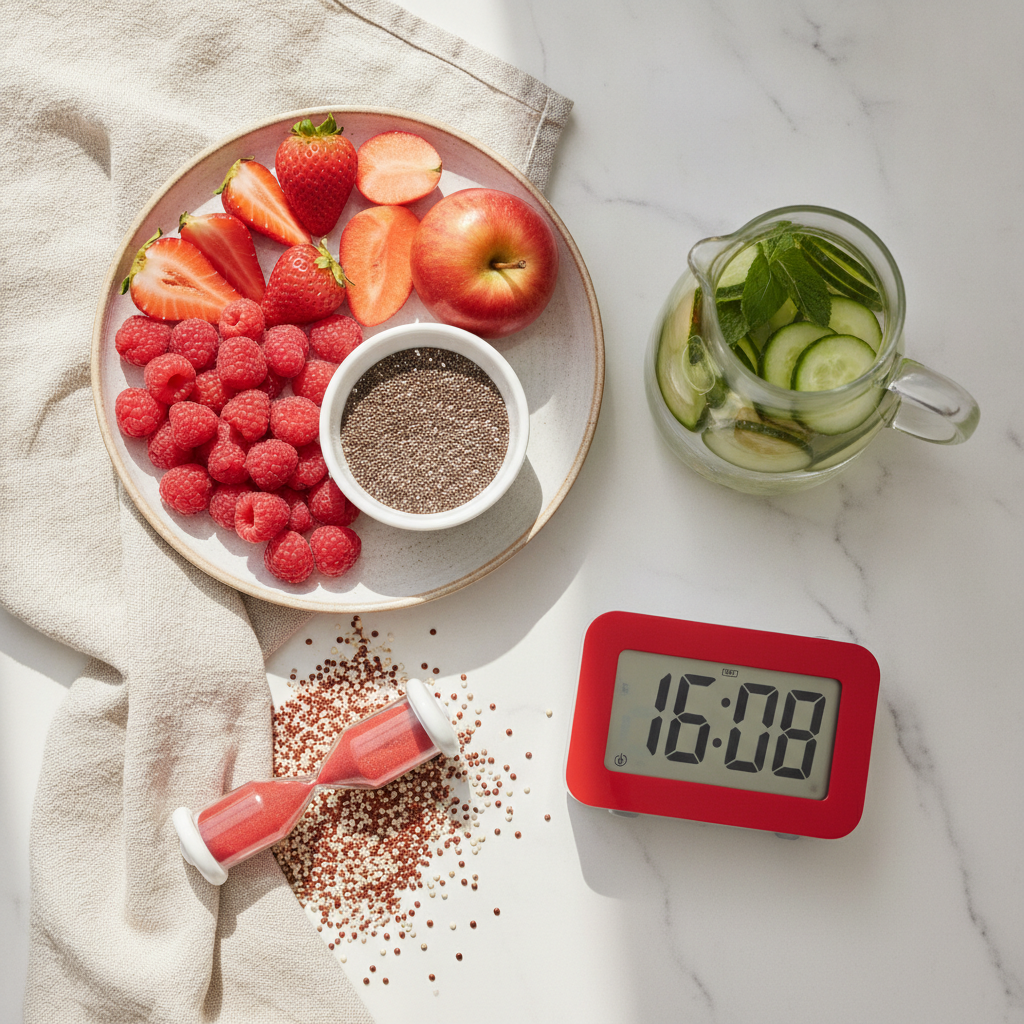
Search for “fasting eating” and you will find two overlapping questions tangled together. One is what you are allowed to consume during the fasting window itself. The other is what you should eat when the eating window opens — the art of breaking a fast and fueling the hours when food is back on the table. Both matter. You can nail a sixteen-hour fast and still stall results with chaotic refeeding. You can also choose perfect meals and sabotage yourself by constantly sipping caloric drinks that never let the fast begin.
This fasting eating guide untangles those questions into a practical system. You will learn what keeps a fast intact, how to break a fast without digestive distress, how to structure meals inside popular eating windows, which foods support satiety and recovery, and how tracking your schedule keeps nutrition decisions honest. The goal is not a rigid meal plan you abandon in two weeks. The goal is a flexible framework that makes intermittent fasting feel sustainable at breakfast — or first meal — time, lunch, and dinner.
What “Fasting Eating” Really Means
Fasting eating is not a paradox once you separate the two phases of intermittent fasting. During the fasting phase, the point is to avoid caloric intake so insulin stays relatively low and your body draws on stored energy. During the eating phase, the point is to consume enough nutrients and calories to support health, muscle, hormones, and adherence — ideally without reverse-engineering an all-day binge that cancels the structure you just completed.
Confusion grows because different communities define the fasting phase differently. Strict water fasters allow only water. Most intermittent fasting practitioners also allow black coffee, plain tea, and zero-calorie electrolytes. Some protocols allow a splash of milk or a teaspoon of cream and still call it a fast for lifestyle purposes, even though that technically introduces calories. For metabolic clarity, treat anything with meaningful calories as ending the fast. For sanity, pick a definition you will actually follow.
The eating phase also needs a definition. An eight-hour window is not a license to graze from noon to eight without awareness. Fasting eating done well means fewer meal occasions, higher food quality on average, and enough protein and volume that hunger does not wreck the next day’s fast. Done poorly, it means skipping meals then compensating with ultra-processed snacks, sugary drinks, and late-night dessert that stretches the window and disrupts sleep.
Language matters for search and for practice. When people ask what to eat when fasting, they often mean “what can I have during the fast?” and “what should I eat afterward?” Answer both explicitly. During the fast: water, black coffee, unsweetened tea, and optional calorie-free electrolytes. After the fast: a deliberate first meal, then one or two additional meals depending on window length, built around protein, fiber, plants, and smart carbohydrates rather than impulse grazing.
What You Can Have During the Fasting Window
Clarity here prevents endless second-guessing. If your goal is a clean intermittent fasting practice for metabolic benefits and appetite structure, keep the fasting window essentially non-caloric.
Water is foundational. Sip steadily rather than chugging only when thirsty late in the day. Both dehydration and overhydration without electrolytes can feel bad during longer fasts.
Black coffee is acceptable for most people and can blunt appetite. Avoid sugar, syrups, and large amounts of milk. A splash of milk is a gray area; treat it as a break if you are aiming for metabolic purity.
Unsweetened tea — green, black, herbal — works similarly. Watch bottled teas that contain juice or sweeteners.
Electrolytes without calories can reduce headaches and lightheadedness during longer daily fasts without ending the fast. Skip sweetened sports drinks.
What ends the fast: any food, caloric beverages, alcohol, protein shakes, bone broth with meaningful protein and calories, creamers, juice, and “zero” products that still contain calories on closer inspection. Chewing sugar-free gum occasionally is debated; for strict practice, avoid depending on it as a crutch that keeps hunger circuits active.
Medications and prescribed supplements follow medical advice — never skip them to keep a fast “pure.” Multivitamins with caloric binders are usually negligible for lifestyle fasting, but timing fat-soluble vitamins with meals during the eating window is often smarter for absorption and comfort.
If you feel you need a mocha coffee with cream and caramel at hour fourteen every day, you do not have a fasting problem — you have an eating-window design problem. Move breakfast earlier, increase protein at the first meal, or shorten the fasting target temporarily so adherence stays honest.
How to Break a Fast Without Feeling Awful
Breaking a fast is where many people stumble. After twelve to twenty hours without food, digestive enzymes and gut motility are not running at peak “three meals already” pace. Dumping a giant greasy meal or a giant sugary coffee drink into an empty system can produce bloating, reflux, lethargy, and a blood sugar swing that makes the rest of the eating window chaotic.
A better pattern starts gently, then builds.
Step one: hydrate and pause. If you have been under-drinking water, take a few minutes with fluids before your first substantial bites. This is especially helpful after longer fasts.
Step two: prioritize protein and volume. Eggs, Greek yogurt, cottage cheese, tofu, fish, lean meat, or a protein-forward smoothie with limited added sugar give satiety signals quickly. Pair with vegetables or fruit for fiber and micronutrients.
Step three: add carbohydrates and fats intentionally. Rice, potatoes, oats, fruit, olive oil, avocado, and nuts can all belong in a break-fast meal. The mistake is leading with dessert-level sweets or a bag of chips that spike hunger rather than settle it.
Step four: wait before deciding you need a second plate. First meals after a fast sometimes feel underwhelming for twenty minutes, then fill-in suddenly. Give satiety hormones time to catch up before you declare the meal a failure and open snacks.
For sixteen-to-eighteen-hour daily fasts, most healthy people can handle a normal-sized first meal if it is balanced. For twenty-four-hour or longer fasts, go smaller and softer: broth-based soups, cooked vegetables, yogurt, eggs, and easy proteins before escalating to large steaks and heavy fried food. Listen to your gut. Discomfort is feedback, not a badge of toughness.
Breaking a fast after evening workouts deserves special attention. You may be genuinely hungry and glycogen-depleted. Include protein and carbohydrates, not only “clean” vegetables. Muscle recovery and next-day training quality depend on that combination.
Structuring Meals Inside Your Eating Window
Once the fast is broken, fasting eating becomes meal architecture. Your window length determines how many meals fit without turning into continuous snacking.
Sixteen-eight (8-hour window): Two solid meals and an optional small snack works for most people. Example: first meal at noon, second at 6:30 p.m., snack only if needed. Avoid starting the window with a tiny coffee drink and ending it with a midnight snack avalanche.
Eighteen-six (6-hour window): Two meals are typically enough. Some people prefer one larger meal and one moderate meal. Protein distribution across both meals helps preserve muscle.
Twenty-four and OMAD-style days: One primary meal needs exceptional nutrient density — protein, vegetables, fiber, and enough calories that you are not miserable overnight. OMAD fails often because the meal is either a junk binge or an insufficient bowl of greens.
Five-two calorie-restricted days: Fasting eating on low-calorie days means small, high-protein, high-volume meals — think vegetable soups, lean proteins, and careful carbohydrate portions — so the day remains manageable.
Regardless of schedule, aim for a protein anchor at each meal. A common practical range for many active adults is roughly 1.6 to 2.2 grams of protein per kilogram of goal body weight across the day, adjusted to your clinician’s advice and individual needs. High-fiber plants support fullness and gut health. Minimally processed carbohydrates fuel training and thyroid of life better than a week of zero-carb experiments for many people. Dietary fat supports hormone production and meal satisfaction when included deliberately rather than as invisible oil in fried takeout.
Alcohol deserves a sober note. Drinking inside the eating window still breaks fasting benefits indirectly by adding empty calories, lowering inhibition around food, and disrupting sleep. If you drink, keep it occasional, with food, and not as the opening act of a refeed.
Foods That Support Intermittent Fasting Results
You do not need exotic superfoods. You need repeatable groceries that make fasting easier tomorrow.
Protein staples: eggs, fish, chicken, turkey, lean beef, Greek yogurt, cottage cheese, tofu, tempeh, lentils, beans when tolerated, whey or plant protein if needed to hit targets.
High-volume plants: leafy greens, broccoli, cucumbers, tomatoes, berries, apples, citrus, zucchini, cabbage. Volume without endless calories is a fasting eater’s friend.
Smart carbohydrates: potatoes, rice, oats, quinoa, fruit, whole-grain bread in portions that fit your goals. Timing larger carb portions around workouts often improves energy.
Healthy fats: olive oil, avocado, nuts, seeds, fatty fish. Measure pourable oils mentally — they add up faster than chewing whole foods.
Flavors that help adherence: herbs, spices, vinegar, citrus, fermented foods like sauerkraut or kimchi if you enjoy them. Boring food is a primary reason people abandon structured eating windows.
Foods that consistently undermine fasting eating include sugar-sweetened beverages, ultra-processed snack packages designed for continuous grazing, and “health halo” desserts that still deliver dessert calories at meal one. You can include treats inside a window and still succeed — the issue is letting treats become the structure.
Cultural eating patterns belong here too. Intermittent fasting is compatible with many cuisines. A bowl of dal and rice, grilled fish with salsa and tortillas, chicken and vegetables with injera-adjacent sides, or a tofu stir-fry can all be excellent first meals. Do not assume fasting eating must look like a paleo Instagram plate.
Tracking Your Windows So Eating Decisions Stay Honest
The best nutrition plan fails when the fasting clock is imaginary. People who think they fasted sixteen hours often ate at 9 p.m. and again at 9 a.m. — a twelve-hour overnight fast with a confident label. Tracking removes that self-fiction.
Easy Fast is a simple fasting tracker for iPhone that lets you start a fast with one tap after your last meal and see exactly when your eating window opens. That clarity improves fasting eating because you stop negotiating with a vague gut feeling and start planning the first meal for a known time. History and streak views show whether weekends routinely extend your window into grazing territory. Reminders help you close the kitchen when the window ends — one of the highest-leverage behaviors for results.
Easy Fast keeps your data on your device. There is no account required and no cloud dossier of when you eat. For a habit as personal as fasting and food timing, on-device privacy is a meaningful design choice, not a footnote.
Use your tracker together with a simple food pattern: log the fast, prepare the break-fast meal before hunger peaks, eat deliberately inside the window, stop when the timer says the window closed. Over a few weeks, review average fasting duration and how you felt. If energy crashed daily after meal one, your break-fast composition may need more protein or fewer liquid sugars. If you broke early every Friday, the issue may be social planning rather than food science. Data makes those distinctions visible.
Fasting eating is ultimately a rhythm: abstain cleanly, break gently, eat enough of the right foods, stop on time, repeat. Master that rhythm and intermittent fasting becomes less of a diet and more of a default weekly lifestyle.
Frequently Asked Questions
What does fasting eating mean?
Fasting eating refers to how food and drink fit into intermittent fasting: what you consume during the fasting window (ideally none with calories) and what you eat during the eating window when you break the fast and fuel your body. It is the practical nutrition side of a fasting schedule, not a separate diet label.
What should I eat when breaking a fast?
Start with a protein-forward meal and fibrous plants, then add carbohydrates and fats based on hunger and activity. Eggs with vegetables, Greek yogurt with berries, fish with rice and greens, or tofu with cooked vegetables are reliable options. After longer fasts, begin with smaller, easier-to-digest portions before large heavy meals.
Can I drink coffee while fasting?
Yes — black coffee is widely considered compatible with intermittent fasting. Avoid sugar, syrups, and substantial milk or cream if you want to keep the fast metabolically clean. If coffee alone spikes anxiety or reflux for you, switch to tea or water.
How many meals should I eat in an eight-hour window?
Most people do well with two meals and an optional snack. Constant grazing recreates an all-day eating pattern inside a shorter clock and often reduces the appetite benefits of intermittent fasting. Structure beats unrestricted snacking.
What foods help me stay full until the next fast?
High-protein foods, high-fiber vegetables and fruit, and adequate overall calories are the foundation. Meals built only from refined carbohydrates and sweets tend to rebound hunger quickly. Include protein at every meal inside your window.
Does Easy Fast tell me what to eat?
Easy Fast focuses on timing — when your fast starts, how long it has run, and when your eating window opens — rather than acting as a meal planner. That timing clarity makes fasting eating easier because you can plan meals around a real schedule. Your fasting history stays on your device with no account required.
Should I count calories while practicing fasting eating?
Not always. Many people reduce intake naturally by shortening the eating window. If weight is not moving after several weeks of consistent fasting, light awareness of portions or protein targets can help. Extreme calorie tracking is unnecessary for everyone; consistency and food quality often matter more at the start.