Intermittent Diet Guide: Timing, Food Quality, and Sustainable Results
Understand the intermittent diet approach — how meal timing, food quality, and fasting windows work together for weight loss, health, and habits that last.
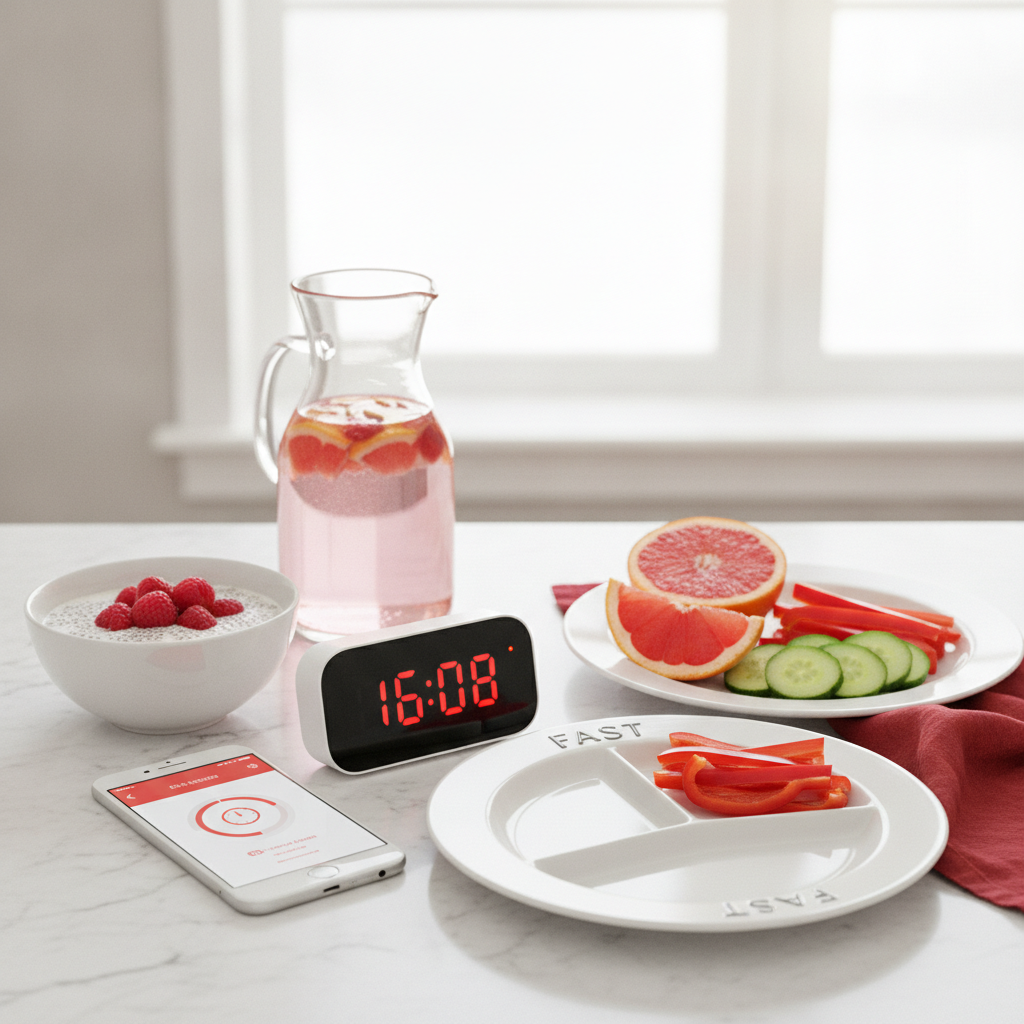
“Intermittent diet” is a phrase people type when they want the benefits of structured eating breaks without necessarily locking onto a single branded protocol. Sometimes they mean intermittent fasting. Sometimes they mean intermittent calorie cycling — lower-calorie days mixed with higher-calorie days. Sometimes they mean a diet that you do not follow every waking hour in a white-knuckle deficit forever.
This guide treats the intermittent diet as a practical system: timed periods of eating and not eating (or lighter eating), paired with food quality rules that make those periods productive. You will learn how intermittent dieting differs from continuous restriction, which schedules count, how to build meals that support the structure, and how to track timing so the intermittent diet remains a program rather than a mood.
What Is an Intermittent Diet?
An intermittent diet uses interruption as a feature. Instead of cutting calories identically every day for months, you alternate between restriction and relative freedom according to a schedule. Intermittent fasting is the most popular modern expression: defined fasting windows and eating windows. Intermittent energy restriction, including patterns like 5:2, also fits under the intermittent diet umbrella.
Key idea: timing and pulsing matter as much as a static daily calorie number. Many people find intermittent structures psychologically easier because the diet has an off-ramp every day (an eating window) or most days of the week (normal eating days between fasting days).
An intermittent diet is still a diet in the sense that total weekly energy intake and food quality determine body composition. Fasting windows do not grant unlimited feast immunity. They grant structure. Structure plus awareness beats all-day grazing for many adults.
Intermittent Diet vs Traditional Continuous Dieting
Traditional continuous dieting sets a daily calorie target seven days a week. It can work extremely well for people who like spreadsheets and stable routines. It can also produce diet fatigue, obsessive logging, and social friction when every meal is a math event.
An intermittent diet shifts some of the control from “how much at every bite” to “when am I allowed to eat.” That shift reduces snack accidents between meals for a large share of practitioners. It does not eliminate the need for reasonable portions inside eating periods.
Research comparing intermittent energy restriction with continuous restriction often finds similar average weight loss when adherence and total intake are matched. The practical win for intermittent approaches is adherence preference. If you stick to an intermittent diet longer than you stuck to daily counting, the intermittent diet is better for you — regardless of forum arguments about optimality.
Choose continuous tracking if you enjoy it and it feels calm. Choose intermittent timing if the clock is a clearer boundary than the calorie app. Hybrid approaches exist too: time-restricted eating plus approximate protein targets without micromanaging every oil teaspoon.
Core Intermittent Diet Schedules
Daily time-restricted intermittent diet (12:12 to 18:6)
You eat within a fixed daily window. Sixteen-eight is the crowd favorite. Fourteen-ten is gentler. Eighteen-six is tighter. This form of intermittent diet is easiest to combine with family dinners when you place the window later in the day, or with morning training when you place it earlier.
Weekly intermittent diet (5:2 and similar)
Five days of normal eating, two days of severe restriction (~500–600 calories). This intermittent diet style suits people who hate daily windows but can tolerate two planned hard days.
Alternating intermittent diet (modified ADF)
Fasting or very low-calorie days alternating with normal days. More aggressive. Better as a phase than an automatic forever plan for many.
Calorie cycling without formal fasting
Some intermittent diet interpretations raise calories on training days and lower them on rest days without a long fasting clock. This still uses intermittence. If you came here for intermittent fasting specifically, prioritize window-based methods first, then layer training-based cycling if needed.
How to Build Food Quality Into an Intermittent Diet
Timing without nutrition quality becomes an intermittent junk-food schedule. That pattern can still create a deficit if hours are limited, but health markers, hunger, and muscle retention suffer.
Protein anchor. Every eating window meal should include a clear protein source. Intermittent diets that under-deliver protein risk looking successful on the scale while quietly costing strength.
Plant volume. Vegetables and fruit fill the plate, slow eating speed, and help micronutrient coverage when meals are fewer.
Carb timing around life. Place most starches around workouts and earlier in the eating window if late carbs disrupt your sleep or invite grazing near window close.
Ultraprocessed limits without perfectionism. You can include enjoyable foods. You cannot let an intermittent diet become eight hours of delivery apps by default and expect elite body composition results forever.
Hydration during fasting periods. Water, black coffee, and plain tea keep an intermittent fasting-style diet comfortable. Thirst masquerading as hunger ruins many afternoons.
A sample intermittent diet plate for a 16:8 lunch open:
- Palm or two of protein
- Large salad or cooked vegetables
- Fist of carbs if training or still hungry
- Thumb of fats for flavor
Repeat similar logic at dinner. If snacks exist in the window, keep them protein-forward.
Implementing an Intermittent Diet Step by Step
Step 1: Pick one schedule for thirty days. Do not combine ADF, OMAD, and keto gimmicks in week one. Single-variable intermittent diets teach you what works.
Step 2: Set non-negotiables. Sleep target, protein target, and two to four resistance sessions. Intermittent dieting fails when the only metric is willpower until noon.
Step 3: Design default meals. Write five lunches and five dinners you can cook tired. Decision fatigue is the silent killer of intermittent diets.
Step 4: Define fasting rules clearly. Calories or no calories? Cream in coffee or not? Write the rule. Ambiguity creates guilt and accidental breaks.
Step 5: Track the clock. Use a fasting timer so the intermittent diet remains measurable. The Easy Fast app is a simple fasting tracker that supports common intermittent schedules and custom windows. One tap starts the fast after your last meal; history shows weekly adherence. Everything stays on your device — privacy-friendly tracking for a habit that is nobody else’s business.
Step 6: Review weekly, not hourly. Weigh trends, belt notches, energy, and completed fasting days. Adjust window timing or meal composition once per week max.
Social Life, Weekends, and Intermittent Diet Flexibility
An intermittent diet that cannot survive a birthday dinner will not survive real life. Build flexibility rules in advance:
- Shift the window by one to two hours for special events
- Keep protein emphasis even at restaurants
- Resume your standard schedule the next day without punishment fasts
- Avoid stacking alcohol with aggressive low-calorie fasting days
Weekends need a plan, not a hope. Either maintain the same intermittent window or define a modified weekend window you still track. Completely abandoning structure from Friday to Sunday often erases weekday progress.
Travel works better when you keep the fasting rhythm and simplify food: eggs, yogurt, grilled proteins, fruit, salads. The intermittent diet travels more cleanly than diets that depend on specific specialty products.
Common Intermittent Diet Mistakes
Window compression without eating enough. Skipping toward fewer eating hours while also undereating protein and total calories can backfire with fatigue and rebound binges.
Feast mentality. “Intermittent” is not a synonym for unsupervised binge on eating days or eating windows. Eat satisfying meals. Do not treat the open window like a clearance sale.
Program hopping. Switching intermittent diet styles every few days prevents adaptation. Give a protocol a fair month.
Ignoring strength training. Dieting intermittently while never lifting increases the odds that weight loss includes muscle you wanted to keep.
No tracking. If you cannot report how many scheduled fasting periods you completed last week, you do not have an intermittent diet — you have intermittent intentions. Easy Fast makes that count visible without pushing your data to a cloud account.
Using intermittence to justify disordered patterns. If the diet increases anxiety, secrecy, or binge-restrict cycling, stop and seek professional support. Structure should calm eating, not weaponize it.
Who Should Be Careful With Intermittent Diets
Pregnant and breastfeeding people, adolescents, those with eating disorder history, underweight individuals, and people with certain medical conditions or medications need personalized medical advice before intermittent fasting-style diets. Diabetes management in particular can require supervised adjustments.
Athletes in heavy competition blocks may need wider eating windows. Women who notice problematic cycle changes, sleep disruption, or mood crashes on aggressive intermittent diets should widen the window or switch to milder approaches and evaluate with a professional when needed.
Shift workers deserve a special note. An intermittent diet can still work with rotating schedules, but the “clock” may need to be anchored to sleep and wake rather than to societal breakfast and dinner times. Keep fasting length consistent when possible, even if the clock times move. Prioritize a hot meal after the main sleep block and protect caffeine timing so the intermittent diet does not wreck the next day’s rest.
Measuring Progress on an Intermittent Diet
Weekly check-ins beat daily panic. Weigh yourself at a consistent time if the scale is useful for you, but also track waist circumference, training performance, resting energy, and clothing fit. Take a photo monthly under similar lighting. The intermittent diet is working when adherence is high and trends move in the right direction over four weeks — not when Tuesday morning’s water weight looks flattering.
If progress stalls, audit three things before changing the entire method: weekend window creep, liquid calories, and protein adequacy. Most plateaus are lifestyle leaks, not proof that intermittent dieting “stopped working.” Fix leaks for two weeks. Only then decide whether to tighten the schedule, add a walking target, or briefly use more intentional portions.
Frequently Asked Questions
Is an intermittent diet the same as intermittent fasting?
Often yes in everyday language. Intermittent fasting is the timing framework; intermittent diet usually implies timing plus attention to what you eat. You can fast intermittently while eating poorly, but lasting results favor combining windows with solid food quality.
Can an intermittent diet help with weight loss?
Yes, primarily by helping many people reduce total weekly calorie intake through fewer eating opportunities or planned low-calorie days. Results still depend on adherence, protein, sleep, and activity. Tracking both timing and overall intake patterns improves outcomes.
What foods work best on an intermittent diet?
High-protein foods, vegetables, fruits, legumes, dairy or fortified alternatives if tolerated, whole grains or potatoes for carbs, and minimal ultraprocessed foods as the default. Exact foods matter less than repeatable meals that keep you full until the next fast starts.
How long should I follow an intermittent diet?
You can use intermittent dieting as a long-term lifestyle (especially mild daily time restriction) or as a finite fat-loss phase before widening the window for maintenance. Reassess every four weeks based on adherence and how you feel, not only the scale.
Do I need to count calories on an intermittent diet?
Not always. Many people succeed with window control plus protein targets and plate building. Others like calorie ranges for precision. If weight stalls for several weeks despite solid adherence, a short period of more intentional portion awareness can help diagnose the issue.
How can I track an intermittent diet privately?
Use an on-device fasting tracker that does not require creating an account. Easy Fast stores your fasting history locally on your iPhone while you follow 16:8, 18:6, or custom intermittent schedules. Privacy keeps the focus on your habit, not on sharing streaks.
What is the easiest intermittent diet for beginners?
A 14:10 or 16:8 daily eating window with protein-centered meals is the usual best start. It teaches intermittent structure without the intensity of alternate day fasting or OMAD. Master that for a month before considering weekly 5:2-style intermittence.
An intermittent diet works when timing boundaries and food quality pull in the same direction. Choose one clear schedule, eat protein-forward meals when the window is open, hydrate during fasting hours, and measure adherence with a simple private timer. If you want that tracking without clutter or cloud accounts, use Easy Fast to keep your intermittent diet honest on your device — then let consistency compound for weeks, not days.